
How to Choose the Right Roofing Underlayment for Your Home
Wondering how to choose roofing underlayment? Trying to figure out what underlayment means for the lifespan of your roof? The choice depends on various factors, such as the features of your roof, roofing material, and the climate.
What Roofing Underlayment Does and Why It Matters
Your roof is made up of several components. The three you really need to know for this purpose are the roofing materials (such as asphalt or tile), roof decking, and the underlayment in between them. Underlayment is a layer that protects your roof deck from water exposure due to storms, particularly if you have shifted or missing roofing material. It works with your shingles, flashing, ventilation, and decking to make a complete roofing system.
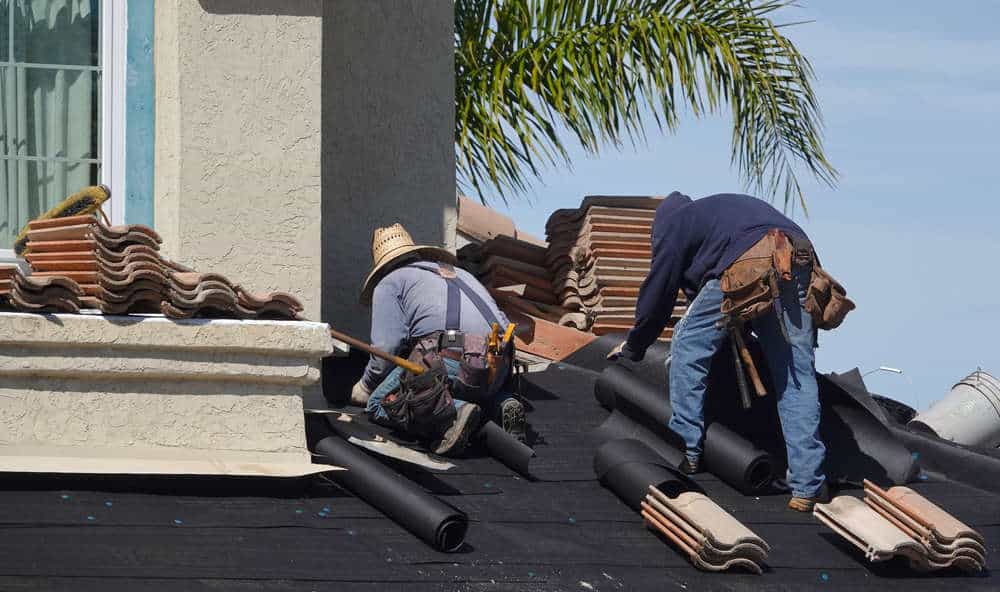
Underlayment also protects the roof decking during the installation process. Underlayment acts as a moisture barrier while your roofing contractors put the exterior material on top.
The goal of a roof moisture barrier is to protect your roof deck, which is critically important to the safety and longevity of the structure. The roof deck holds up the roofing material and keeps water from intruding your attic or walls. Wet roof decking creates a number of serious problems, like mold growth or long-term structural damage. Keeping it dry can help preserve the lifespan and durability of the roof.
When you start shopping for roofing underlayment types, it’s important to understand how the Las Vegas climate affects your choices. This climate is known for extreme heat, intense UV exposure, and monsoon storms that put extra stress on your roof. The best roof underlayment accounts for these and other factors, providing additional protection for your roof and your home.
Understanding the Different Types of Roofing Underlayment
Underlayment can be divided into three basic categories:
- Felt: Felt underlayment is a traditional material that is saturated with asphalt. It is budget friendly but is more susceptible to tearing or moisture absorption. As such, felt often isn’t as durable as other options.
- Synthetic: Synthetic roof underlayment is growing in popularity due to its lightweight construction and ease of installation. In exchange for a higher price compared to felt, it features superior tear resistance, UV resistance, and durability.
- Rubberized/Self-Adhered: Rubberized asphalt underlayment creates a waterproof seal. While you may not necessarily use it for the entire roof, it can be a practical choice for the most vulnerable areas, like the valleys, penetrations, eaves, and flashing transitions. Because of these advantages, peel-and-stick roof underlayment tends to be the most expensive option.
Before you commit yourself to a particular choice, there are other factors you need to keep in mind. Some roofing underlayment options are designed for specific roofing materials, such as tile or shingle roofing systems. Your roof slope and the particular features of your local climate affect which underlayment is most appropriate for your home.
How to Choose Roofing Underlayment for Las Vegas Climate Conditions
When you know how the desert climate affects roofing materials, you may not be surprised by the fact that the Las Vegas climate affects your roofing underlayment lifespan and performance. Las Vegas roofing systems have to cope with these environmental aspects:
- Prolonged UV exposure, which breaks down the surface of the roofing material more quickly
- Extreme attic temperatures that can warp your roof decking over time
- Sudden temperature swings between day and night, which cause roofing components to expand and contract
- Seasonal monsoon storms that tax your roofing structure and cause water intrusion in areas that are not waterproof
For the best performance over time, and to avoid having to replace your underlayment before you’re ready to get a new roof, you need a roof underlayment that can withstand the heat exposure and moisture without breaking down prematurely. Your selection is particularly important for tile roofing systems because the tiles can shift slightly over time and expose the underlayment.
Synthetic underlayment often makes the most appropriate choice for hot climates, since it is more durable and resistant to heat and tears. It also has great moisture performance, which is key for those sudden heavy storms.
It’s important to make a decision for the underlayment that considers your roofing material and other factors, like your roof slope, ventilation quality, and home design. You’re likely to get a better result if you select waterproof roofing underlayment or other options as part of a complete roofing system.
Factors That Affect Underlayment Performance and Longevity
If you expect to get at least 15 years from your roofing material, you need your Las Vegas roofing underlayment to last that long or longer. Long-lasting roofing materials like tile need even more care in the underlayment choice. As such, you must look at the factors that affect an underlayment’s performance and longevity. A high-performance roof underlayment depends on these aspects:
- Material Quality: High-quality roofing materials provide a better seal and performance over time.
- Roofing Material Compatibility: Installing a complete roofing system protects the roofing material and underlayment.
- Ventilation: Proper ventilation reduces excess heat and maintains attic moisture control during the brutally hot summers.
- Climate Exposure: Heat-resistant roof underlayment can handle the desert conditions without breaking down as quickly.
- Installation Quality: A proper roofing material and underlayment installation process minimizes exposure and preserves the durability of the entire structure.
So, what happens if your roof installation doesn’t address these aspects? The short answer is that your underlayment durability will likely be compromised.
The long answer is more complicated. Trapped heat and moisture, due to poor ventilation, accelerate deterioration of the entire roofing structure. Poor installation like improper overlap, mistakes in fastener placement, or exposure during construction all undermine underlayment efficacy.
More to the point, you can’t overcome a bad underlayment situation with better roofing materials. Even the highest-quality roofing tiles or shingles can fail prematurely if the underlayment is compromised.
For all these reasons, synthetic roofing underlayment often makes the better choice, particularly when compared to felt. Synthetic usually does a better job resisting tearing, wrinkling, mold, and UV degradation.
Common Roofing Problems Linked to Poor Underlayment Selection
Choosing a durable roofing underlayment is critical to protecting your roof structure and home. Poor underlayment selection can contribute to the following problems:
- Leaks: Lower-quality or failing underlayment is more likely to tear, leaving gaps in the exterior surface.
- Moisture Intrusion: Even if the roofing shingles or tiles are in good condition, damaged underlayment can sustain moisture intrusion from wind-driven rain and other severe weather events.
- Wood Rot: Compromised underlayment can allow the roof decking to become wet, contributing to wood rot that deteriorates the structure over time.
- Mold Growth: Moisture accumulation due to water intrusion leads to mold growth, which can cause health problems in the home’s residents and negatively affect your property value.
- Insulation Damage: Moisture buildup in the underlayment or attic can damage your insulation, which limits its ability to slow heat transfer in summer.
- Premature Roof Deterioration: Lower-quality underlayment, especially if it is exposed to prolonged heat and UV conditions, can compromise the condition and durability of the rest of the roof.
You can’t necessarily tell that you have a problem with the underlayment just by looking at the roof exterior. Roofing material can hide a lot of issues until they are so severe you can’t ignore them. Pay close attention to these signs that you may need roof repair due to poor underlayment:
- Recurring leaks, particularly in the same places
- Moisture in the attic
- Stains on the ceiling, especially if they get bigger over time
- Heat buildup with no obvious explanation
- Sagging roof decking
The big takeaway here is that underlayment is just as important as your roofing material–too important to treat as a minor roofing accessory. It plays a foundational role in the long-term protection of your roof.
Why Professional Roofing Guidance Matters When Choosing Underlayment
As you sort through your options for desert climate roofing materials and underlayment, it’s important to get the advice of a professional roofing contractor. Experienced roofers evaluate various factors before making a recommendation for your roof, like roof pitch, material type, ventilation, structural needs, local code requirements, and the climate.
A qualified contractor understands how the different underlayment types perform for tile, asphalt, and other roofing systems common to the Las Vegas area. They can help you make a choice that meets the manufacturer’s requirements for compatibility and warranty protection.
Underlayment selection can significantly affect your roof lifespan, moisture protection, maintenance needs, and long-term repair costs. When you shop for a new roofing system, be sure to ask about underlayment durability, heat resistance, and compatibility with your ventilation system. Getting detailed answers from your contractor can help you choose the underlayment and installation method that is most appropriate for your home’s needs.
Choosing the right underlayment for your Las Vegas home presents many solutions. Ariat Roofing can help you select the best underlayment solution for your roof, climate conditions, and long-term goals for performance and durability. To learn more about your options, consider scheduling roof inspection services.