
How the Las Vegas Climate Impacts Roof Lifespan
How long do roofs last in Las Vegas? Most roofs last about 15 to 30 years, depending on the roofing material, installation quality, and how well they are maintained. That range is often shorter than what you might see in cooler regions, and the reason comes down to the local climate.
What Affects Roof Lifespan in Las Vegas?
The average roof lifespan in Las Vegas is shaped heavily by environmental conditions like the blistering sun. While low rainfall might make the area seem easy on roofs, the opposite is true.
The biggest factor is the blistering sun and how the heat affects roof lifespan. Roofs here face long stretches of extreme heat, often combined with strong UV radiation. This leads to UV damage to roofing materials, which breaks down surfaces faster than in milder climates.
Las Vegas roofs also deal with:
- Major temperature swings between day and night
- Occasional high winds and monsoon storms
- Long periods of direct sun with little shade
All of these contribute to extreme heat roof damage over time. It’s also important to understand that roof longevity factors go beyond the outer layer. The condition of underlayment, flashing, ventilation, and sealants all affect how long a roof lasts. Even the best materials can fail early if installation is poor or heat builds up in the attic.
Desert climates can be misleading. You may not see frequent rain, but constant sun exposure creates steady stress. When storms do arrive, they tend to expose weak spots quickly.
Average Roof Lifespan by Roofing Material in Las Vegas
Different materials perform differently in intense heat and the desert climate.
Asphalt Shingles
Asphalt shingles are one of the most common roofing options in the U.S., but their shingle roof lifespan in Las Vegas is often shorter than average.
In cooler regions, shingles might last 20 to 30 years. In Las Vegas, that range is often closer to 15 to 25 years. Constant UV exposure leads to faster breakdown, especially if ventilation is poor. Common issues can include granule loss from sun damage, as well as cracking and curling. Asphalt shingles in the heat can also lose flexibility over time.
The quality of the shingle itself also matters. Higher-end materials tend to hold up better under intense heat.
Tile Roofs
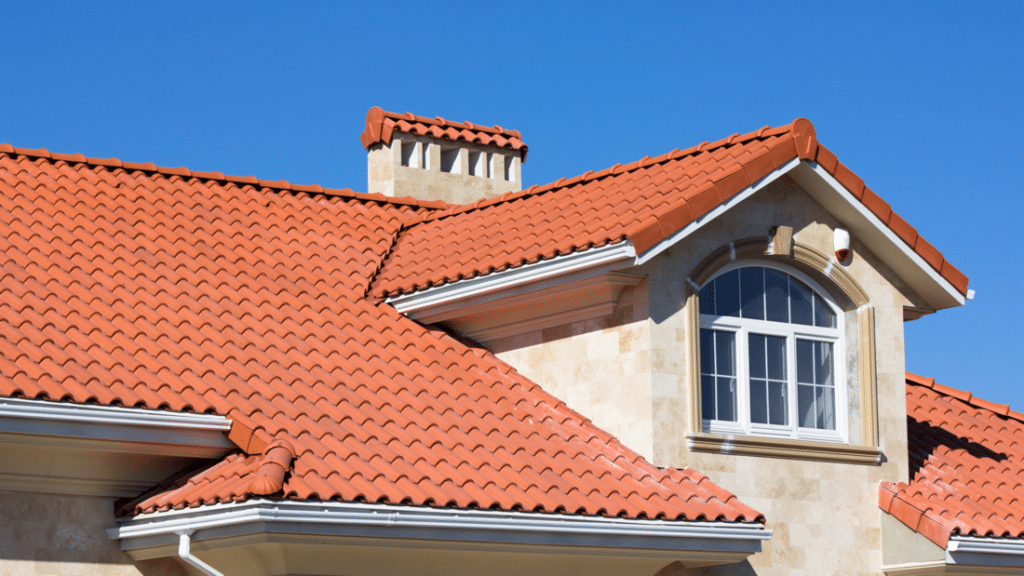
A tile roof lifespan is often longer, which is why tile roofs are so popular in Southern Nevada. Many homeowners choose between different types of tile roofs, including clay tile roofs and concrete options.
The tile itself can last decades, sometimes 40 years or more. However, the underlayment beneath the tile won’t last that long. This layer can wear out much sooner and may require replacement before the tiles do.
Flat and Low-Slope Roofs
A flat roof or low-slope system has a different set of challenges. The flat roof lifespan depends heavily on the type of membrane, drainage performance, and how well the surface is maintained.
Unlike sloped systems, flat roofs must handle water differently. Even small drainage issues can lead to ponding and long-term damage. Routine inspections and coatings often play a bigger role in extending the life of these systems.
When comparing roofing options, it’s important not to focus only on lifespan. Consider cost, maintenance, energy efficiency, and how the roof fits your home’s design.
Signs a Roof in Las Vegas May Be Nearing the End of Its Lifespan
Roofs rarely fail overnight. Most show gradual roof aging signs before major issues develop. Here are some warning signs to look for.
Shingle Roof Warning Signs
Sometimes issues can develop gradually rather than suddenly. If you have a shingle roof, watch for:
- Curling or cracking shingles
- Bald spots or missing granules
- Repeated areas of roof repair
- Wear around vents and penetrations
Tile Roof Concerns
With a tile roof, visible damage like broken tiles is only part of the picture. The bigger concern is often what you cannot see.
A tile roof might need repair if you find:
- Recurring leaks
- Issues around flashing or valleys
- Signs that underlayment may be failing
In many cases, this leads homeowners to consider tile roof replacement, even when the tiles still look intact.
Flat Roof Warning Signs
You might need to repair or replace your flat roof if you notice:
- Ponding water
- Surface cracks
- Seam separation
- Worn coatings
Interior Warning Signs for All Roof Types
Your home can also provide clues. Look for:
- Water stains on ceilings
- Musty smells near problem areas
- Signs of moisture in the attic
When deciding between repair and replacement, think about the extent of the problem. Localized damage may be fixed with a targeted roof repair. Widespread issues or repeated problems often mean the roof is nearing the end of its lifespan.
How to Help a Roof Last Longer in Las Vegas
If you want to improve your roof lifespan, a proactive approach makes a big difference. Try these approaches to extend the life of your roof:
- Stay consistent with roof maintenance. Regular roof maintenance is one of the most effective ways to extend the life of your system. Check for damage after storms and address small issues before they grow. Keep drainage paths clear.
- Manage heat and ventilation. Heat buildup is one of the biggest threats to roof durability in Las Vegas. Proper attic ventilation helps regulate temperature and reduces stress on materials.
- Think ahead about replacement. If your roof is approaching the upper end of its average roof lifespan, it’s smart to start planning. Waiting until a failure occurs can lead to more extensive damage inside the home.
Knowing how to make a roof last longer starts with understanding your roof’s current condition.
If you’re unsure about your roof’s condition, scheduling a professional roof inspection is one of the best next steps. It gives you clarity on where things stand today and helps you plan for the future with confidence.