Inside the Roof Replacement Process: What Homeowners Should Expect
Replacing a roof is a major home project, but it should not feel mysterious. A professional roof replacement process follows a clear path that includes inspection, planning, material delivery, tear-off, repairs, roof installation, cleanup, and a final review with your contractor.
This guide explains what happens before, during, and after a residential roof replacement, including what homeowners can do to prepare and what questions to ask a roofing company before work begins.
Understanding the Roof Replacement Process From Start to Finish
Many homeowners start thinking about roof replacement after repeated leaks, storm damage, broken materials, or signs that an older roof has reached the end of its useful life. In Las Vegas, intense UV exposure, long stretches of desert heat, and monsoon storms can make roof replacement planning even more important. Heat can weaken roofing materials, dry out underlayment, and leave weak spots more vulnerable when storms arrive.
The roof replacement process is a multistage project. It starts with a roof inspection and consultation, then moves into estimating, material selection, scheduling, permitting, removal of the old roof, repairs to the structure beneath, installation of the new roof, cleanup, and final inspection.
Some roofs can be repaired when damage is limited to one area. A full replacement may be the better choice when the roof has widespread wear, repeated leaks, storm damage, sagging decking, failing underlayment, or material failure across large sections. In those cases, patching one area may only delay a larger problem.
The roof replacement timeline depends on the size and shape of the roof, the roofing materials, access around the property, weather, and the amount of hidden damage found after tear-off. A simple asphalt shingle project may move faster than a tile project or a roof with several valleys, penetrations, and repair needs.
How disruptive is roof replacement? You should expect noise, foot traffic, delivery activity, and debris control around your property. A good roofing contractor plans the job to protect the home, reduce delays, and keep the owner informed as the roof replacement project moves forward.
What Happens Before Roof Replacement Begins
Most professional roof replacement projects begin with a roof inspection and consultation. During this visit, the contractor reviews the roofing materials, checks for broken or loose components, looks at vents and flashing, and watches for signs of leaks, wear, or structural concerns. Depending on the roof type and the issue, the contractor may also discuss the underlayment condition, ventilation, and areas that may need closer review during tear-off.
After the inspection, the roofing contractor should provide an estimate that explains the scope of work, material options, warranty information, schedule, and any items that may change once the old roof is removed. This is also a good time to talk about roof replacement preparation, ventilation upgrades, energy efficiency goals, and your style choices for shingles or tile.
Permits may be required for residential reroofing, and professional roofing companies usually handle permit applications and code requirements as part of the project. Homeowners should ask how permitting works, when the work may begin, and what could affect the timeline.
Materials, dumpsters, and equipment may arrive before installation day. Before the roof installation crew gets started, move vehicles away from the work area, clear patios and walkways, protect items in the attic if needed, secure pets indoors, and let neighbors know there may be construction noise.
Removing the Old Roof and Inspecting the Structure Beneath
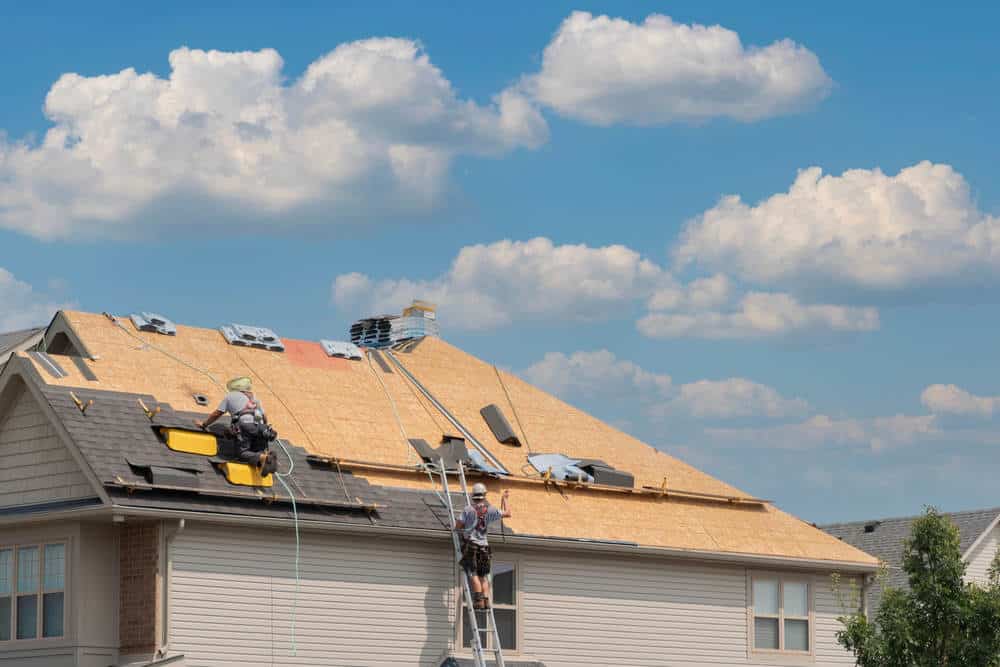
During the roof tear-off process, the crew removes the old roofing system so the structure beneath can be inspected. For a shingle roof, this usually means removing shingles, nails, flashing, underlayment, and worn materials down to the roof deck. For tile roofing, the process may involve lifting and stacking tiles, removing underlayment, checking flashing, and preparing the roof for new waterproofing layers.
This step is important because some of the most serious roofing issues are hidden. Once the old materials are removed, the contractor can look for sagging decking, water damage, wood rot, ventilation problems, or deteriorated flashing.
Damaged roof decking must be repaired before a new roof is installed to help ensure long-term performance and structural stability. If new materials are placed over weak wood or deteriorated underlayment, the roof may be more likely to leak, shift, or fail early. This is one reason new shingles cannot always be installed over old roofing materials. Covering old damage may reduce the work at first, but it can shorten the life of the new roof.
Las Vegas roofs face added stress below the surface. Heat and UV exposure can dry out older underlayment, weaken sealants, and add fatigue to roofing components. That is why roof underlayment installation and flashing replacement matter so much during a full roof replacement.
Installing a New Roofing System: The Step-by-Step Process
A modern roof is built in layers. After the old roof is removed and repairs are complete, the crew prepares the roof deck and begins installing the components that help manage water, wind, heat, and daily exposure.
The exact sequence depends on the roof type. A typical installation may include drip edge, underlayment, waterproof barriers, flashing, starter materials, shingles or tiles, ridge caps, vents, and other finishing details. For replacing roof shingles, the crew must align each row, use proper fastening methods, and follow the manufacturer’s installation instructions. For tile roofing installation, tile placement, underlayment quality, flashing work, and drainage paths all play a major role in performance.
Underlayment and waterproof barriers help reduce the chance of moisture reaching the decking. Flashing is just as important. It protects vulnerable areas around chimneys, vents, skylights, valleys, walls, and pipe penetrations. Poor flashing work is one of the most common reasons a newer roof can leak, so this part of the roof installation should never be rushed.
Ventilation also matters in Southern Nevada. Proper attic ventilation helps reduce heat buildup, control moisture, and support a longer roof life. Without the right airflow, heat can build below the roofing system and place extra stress on shingles, tiles, underlayment, and fasteners.
Roofing material choices should fit the home and the Las Vegas climate. Long periods of sun, high heat, UV exposure, and seasonal storms can wear down roofing materials faster when products are not well suited to the local climate. Asphalt shingle roofing installation may be a good fit for many homes, while tile roofing installation may appeal to homeowners who want strong heat performance and a different look. Energy-efficient roofing materials may also help reduce heat transfer into the home.
Installation quality is just as important as the product itself. Proper material alignment, fastening, flashing, and ventilation help the roof perform as intended and may also affect manufacturer warranty compliance. The best roofing material depends on the roof structure, budget, style goals, energy efficiency needs, and long-term maintenance expectations.
Cleanup, Final Inspection, and What to Expect After Installation
A project is not considered finished until the site is cleaned and the new roof is reviewed. Roof replacement cleanup usually includes material and debris removal, checking gutters, collecting loose fasteners, and using a magnetic nail sweep around driveways, walkways, and landscaped areas.
Next comes the final roof inspection, which gives the company a chance to review the completed project. This inspection includes checking shingle or tile placement, flashing integrity, vents, penetrations, edges, ridges, valleys, and overall workmanship. The goal is to confirm that the new roof was installed according to the agreed scope and proper roofing practices.
During the final walkthrough, homeowners should ask about cleanup, warranty paperwork, maintenance recommendations, and any changes made during the project. This is also a good time to ask about future roof maintenance services and when to call with concerns.
Roofing warranties can include manufacturer coverage for materials and workmanship coverage from the roofing contractor. These are different, so ask what each warranty covers, how long coverage lasts, and what maintenance steps may be required. A properly installed new roof can improve home protection, energy performance, curb appeal, and long-term property value.
How to Choose the Right Roofing Contractor for a Smooth Roof Replacement Experience
The contractor you choose can have a major effect on the roof replacement experience. Look for a licensed and insured roofing company with residential roofing services, local experience, knowledge of Las Vegas building requirements, and an organized process before work begins.
A reputable contractor should provide professional roof inspections, explain material options, discuss the roof replacement timeline, handle permitting, review warranties, and describe how the crew will protect your property. Strong communication matters because homeowners need to know what is happening, why it matters, and what comes next.
Before signing a contract, consider asking:
- What is included in the estimate, and what could change after tear-off?
- Who handles permits and code requirements?
- How will the crew protect landscaping, driveways, and outdoor items?
- What cleanup steps are included after installation?
- What warranties apply to materials and workmanship?
- Do you recommend ventilation upgrades, underlayment replacement, or flashing replacement?
Experienced contractors help homeowners avoid problems such as poor ventilation, weak underlayment, improper flashing, rushed fastening, and incomplete cleanup. They also help set realistic expectations by letting you know if you can stay home during roof replacement, when the loudest work will happen, and how your property will be managed during the job.
If your roof is aging, leaking, or showing signs of widespread wear, a professional roof replacement consultation is the best place to start. Ariat Roofing can review your roof, explain your options, and help you understand the roof replacement process before you commit to a project.