
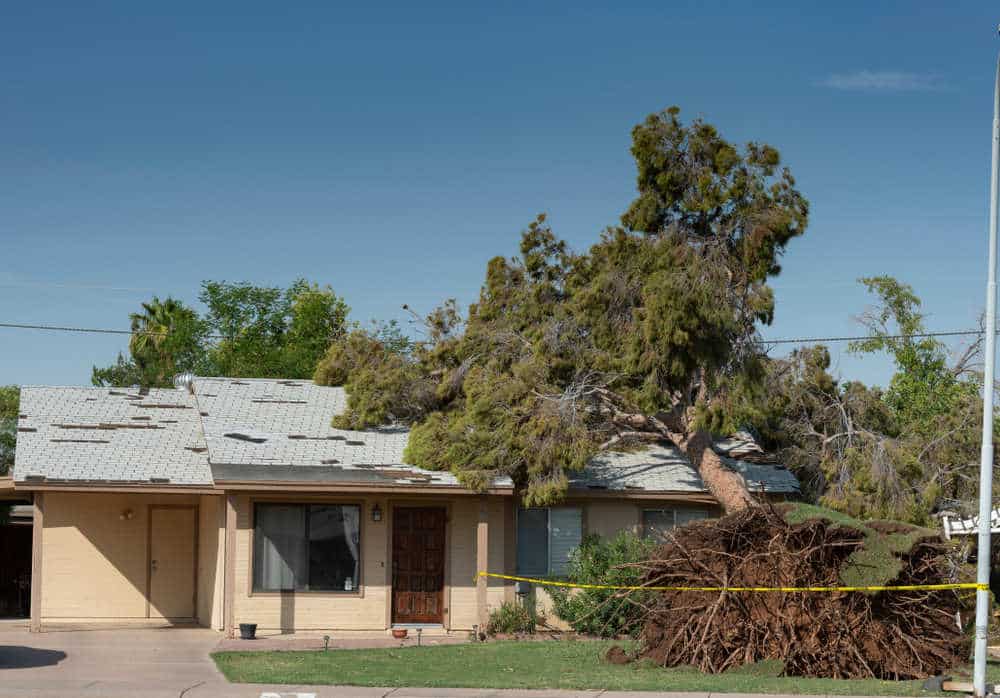
Get Roof Prepared Before Monsoon Season Hits Las Vegas
Although Las Vegas is best known for its exceedingly hot temperatures, it also brings a monsoon season in summer. Monsoons can cause a lot of damage to your roof, so it’s important to ensure that your roof can handle the storm well in advance of the next big one.
Why Monsoon Roof Preparation Matters in Las Vegas
When the air really starts to heat up, you know monsoon season is on the way. Monsoon season starts in summer in Las Vegas and runs through September. Although you may not notice constant storms during this period, the storms that do show up can be seriously damaging. These storms bring sudden high wind, intense rainfall, dust storms, lightning, and falling debris. This environment increases the stress your roofing system already faces due to high heat and prolonged exposure.
If your roof is already weakened from the summer climate, you are at greater risk for monsoon storm damage. Common issues include:
- Lifted shingles
- Cracked tiles
- Flashing damage
- Clogged drainage systems
- Leaks
- Debris impacts
If you skipped out on seasonal roofing maintenance because you thought your roof seemed fine, you should know that even small roofing vulnerabilities can quickly turn to major water intrusion once the rain and wind start. Homes in Southern Nevada require additional support from maintenance and inspections to avoid prematurely aging the roof.
Instead of reacting with costly repairs or replacement once the damage is done, start now on your monsoon roof preparation to minimize risk.
Signs Your Roof May Not Be Ready for Monsoon Season
If you’re not a stickler for staying on top of roof maintenance in hot climates, your roof may not be ready for monsoon season. Professional inspections can identify structural issues or waterproofing concerns, but only if you schedule them. It’s easy to forget about your roof because you can only see a small portion of it from the ground, but it is such an important part of your home’s structural protection that you need to keep it on your radar. Here are a few signs that your roof is already struggling to maintain performance:
- Missing Shingles: Even one or two missing shingles reveal your underlayment, which can expose the roof structure to leaks.
- Cracked Tiles: Cracking tiles increase roof exposure to water intrusions.
- Lifted Flashing: Lifted flashing around penetrations, valleys, and transitions means that these areas have lost that crucial water barrier.
- Granule Loss: Loss of granules indicate serious wear on shingles, which may require replacing for best performance.
- Sagging or Uneven Areas: Sagging or unevenness in the roof decking may indicate ongoing water damage.
- Deteriorating Sealants: Inadequate or deteriorating sealants fail to provide additional waterproofing, particularly around flashing and other vulnerable areas.
- Visible Roof Wear: Excessive wear, which is common in the Las Vegas climate, can increase your roof’s overall vulnerability.
If you already have problems with leaks or poor ventilation, you’ll often observe ceiling stains, moldy odors, unexplained indoor humidity, or attic moisture.
When the weather is dry and sunny, you may not notice any of these problems because they don’t create leaks and interior water damage that attract your attention. When the next storm shows up, you may get several signals all at once.
Remember that drainage is one of the most important features of your roof during a monsoon storm. That’s why you should check and clear your gutters, downspouts, roof drains, and drainage pathways. You also need to inspect your roof penetrations, like your vents, skylights, chimneys, or solar mounts, for weakened seals or damaged flashing.
Essential Monsoon Roof Preparation Steps for Homeowners
If you know about the challenges that the desert climate present to your home, such as a reduced roof lifespan in Las Vegas, you can appreciate the importance of scheduling a pre-storm roof inspection and arranging to make repairs before monsoon season. Ensuring that everything is in good condition can reduce the likelihood of a roof leak and give you more information in case of asphalt shingle storm damage. Perform these monsoon roof maintenance steps:
- Document Roof Condition: Take photos to show the current condition of the roof, which is important for insurance claims.
- Clear Drainage System: Clean out gutters, downspouts, roof drains, and scuppers to allow proper drainage during heavy storms.
- Trim Overhanging Branches: Trim trees, particularly branches that could fall on your roof.
- Remove Loose Debris: Clear away loose debris that could become airborne in high winds.
- Secure Loose Roofing Materials and Accessories: Refasten loose roofing materials, like shingles, flashing, or rooftop accessories, to avoid roof storm damage.
- Check Attic Ventilation and Insulation: Inspect the attic insulation and ventilation to confirm it can vent trapped moisture and heat.
- Secure Outdoor Objects: Secure or put away outdoor tools and furniture, so they do not become projectiles in strong winds.
- Prepare Emergency Tarps: Get some emergency roof tarping to protect your roof structure in the event of serious storm damage.
This roof preparation before storm season may take less time than you expect, particularly if you hire a professional.
Roofing Materials and Features That Perform Better During Monsoon Season
To get the best performance during a big storm, you can’t cut corners on the essentials. When you select a roofing system, be sure to consider storm-resistant roof materials, including:
- High-quality underlayment
- Waterproof barriers
- Properly-installed flashing systems
- Sufficient ventilation
- Reinforced roof edges
- Secure fasteners
- Impact-resistant materials
The roofing material affects what you need for these roof components. During high winds and heavy rain, a tile roofing system has unique performance considerations from asphalt shingles. If you want ideal moisture protection over time, you have to consider the entire roofing system, not just the shingles or tiles.
Roofing durability depends on other factors. The installation quality, flashing integrity, fastening methods, underlayment performance, and overall roof condition can significantly affect how your roof holds up during a strong storm. If your roof is approaching the end of its lifespan, or if the installation wasn’t up to par, your home may be more vulnerable to wind uplift and water intrusion.
What To Do if Your Roof Is Damaged During a Monsoon Storm
Sometimes, despite your best efforts at protecting roofs from windstorms, you still have to deal with an unpleasant aftermath. Before you climb a ladder to check out the damage, prioritize your safety. Stay on the ground during a storm. Once the severe weather passes, avoid going up to the roof until you can have a professional verify its condition. Pay attention to your surroundings, looking for fallen power lines and other high-risk situations.
While you wait for an inspection or roof storm damage repairs, there are a number of things you can do:
- Move valuable belongings out of the reach of leaks or flooding
- Use buckets to catch water from leaks
- Apply emergency tarps, if you can confirm the roof is safe
- Take photos of interior leaks
- Consider safely using a drone to record fallen debris or visible damage on the roof
- Document signs of storm roof damage, like water intrusions and leaks, for repairs and insurance claims
Remember that you may not be able to see all the damage to your roof from the ground, particularly after high winds that displace your flashing. Minor leaks or water intrusion can take weeks or months to become visible to a homeowner.
Don’t hesitate to schedule a professional inspection to survey the damage and formulate a repair plan, even if the problems seem fairly simple to fix. Delaying repairs can intensify long-term effects, like moisture accumulation, mold growth, insulation damage, or structural deterioration.
Why Preventative Roof Inspections Are Important Before Monsoon Season
Monsoon roof preparation starts months in advance of storm season, but starting now is better than waiting for next year. Preventative inspections help identify weaknesses in your roofing system, from damage, poor installation, or age, before monsoon starts. Inspections can also extend your roof’s lifespan and improve your home’s long-term weather resistance.
When you get a roof inspection before storm season, your roofing contractor can look at all the components that might suffer from storm damage. Roofing professionals look at:
- Shingles or tiles
- Flashing
- Sealants
- Gutters
- Underlayment
- Drainage systems
- Attic ventilation
- Structural condition
If your contractor identifies problems, you should consider repairing them as part of roof maintenance. Early roof repair often costs less and creates fewer disruptions than urgent repairs to mitigate major roof damage after a storm.
Monsoon storms in Las Vegas often develop quickly. Preparing gutters for monsoon season is even more important if your roof is aging or damaged by heat. Schedule a professional inspection with Ariat Roofing to identify vulnerabilities, improve storm readiness, and learn more roofing tips for severe weather.