
Roof Flashing Explained: The Key to Preventing Roof Leaks
Roof flashing is a critical component to keeping water from entering through your chimney, skylights, or other roof penetrations. Keeping the flashing in good condition and knowing when it needs repair or replacement is practical knowledge for roof leak prevention.
What Roof Flashing Is and Why It Matters
While your roof may look like a relatively smooth surface, it has various points where the roofing material stops. If you have skylights, ventilation pipes, chimneys, or rooftop air conditioning, they all penetrate the roofing material. These areas would be a prime source for leaks during the next rainstorm if it weren’t for the flashing.
Roof flashing is a thin protective material installed around the penetrations and other vulnerable areas of the roofing material, like seams or joints. Flashing material is usually made from galvanized steel, aluminum, or copper. These metals are known for their durability and resistance to water.
Flashing is particularly important around roof transitions because water naturally collects or changes direction in these areas. The flashing acts to redirect the water to your roof’s drainage system, instead of allowing it to stagnate or permeate the gaps. It is designed to work seamlessly with your shingles or tiles, underlayment, and drainage to make a complete roofing system.
Of course, the function of your flashing depends on its condition and installation. When your flashing starts to fail or if it is improperly installed, you may get water intrusions that contribute to leaks, wood rot, mold growth, insulation damage, or structural deterioration.
Common Types of Roof Flashing and Where They’re Used
If you were to go up to your roof, you’d likely see a number of flashing types. It’s important to know what they are and how they work:
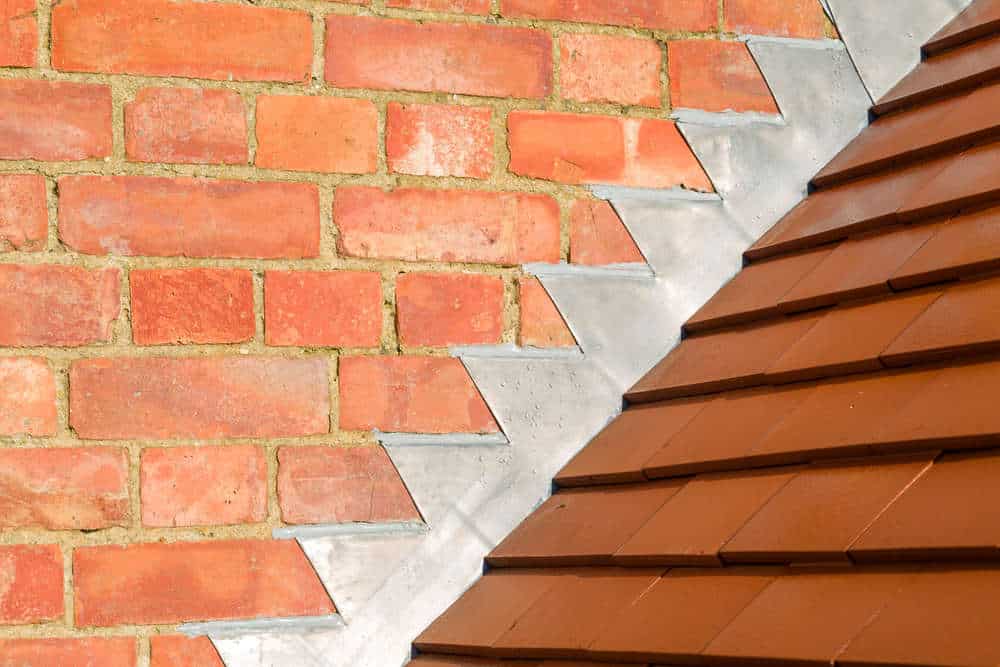
- Step Flashing: Step flashing provides protection where the roof meets a vertical wall, to guide the water down the flashing to the drainage system.
- Valley Flashing: Valley flashing is critical because it keeps water from penetrating the roof structure as it moves down roof valleys toward the gutters.
- Chimney Flashing: Flashing around a chimney redirects water as it hits the chimney and rolls toward the roof.
- Vent Pipe Flashing: Flashing around vents ensures that penetrations for your HVAC or water heating system do not contribute to roof leaks.
- Skylight Flashing: Skylight flashing allows the different material of the skylight to blend seamlessly into the roofing material while preventing leaks around the window.
- Drip Edge Flashing: Roof edge flashing guides water to the gutter, keeping it away from the fascia and eaves where it could cause wood rot or mold.
- Kickout Flashing: Where a full step flashing is not necessary, a kickout flashing provides a smaller diversion for water when roofing material intersects with a vertical surface.
- Counter Flashing: In areas where the roof meets a vertical wall, counter flashing can provide a larger area of protection on top of the step flashing.
Since flashing can fill many different roles, the type significantly affects the size, shape, and installation method needed to provide waterproof protection. Flashing system designs are also dependent on roof style, material, slope, and climate conditions.
How Roof Flashing Prevents Leaks and Water Damage
It’s easy to think of your roof as a solid surface, but it has many joints, edges, penetrations, and transitions that could allow water to pass. The flashing stands in the way of leaks, by redirecting water to the roof’s intentional drainage system.
The position of the flashing depends on its placement. Flashing on the upper sections of the roof often goes under the shingles or tiles. On lower sections, flashing usually goes over the roofing material to guide the water downhill.
In essence, the flashing acts as a vital barrier for water as it hits your roof and runs downward. When properly installed and maintained, it can keep the water from entering the roof decking, attic spaces, wall cavities, and insulation.
The features of our desert climate highlight the importance of good flashing for your roof. You may already know that the heat tends to shorten your roof lifespan in Las Vegas. The monsoon storms, wind-driven rain, and thermal expansion put additional stress on your flashing, too.
Keep in mind that your flashing’s integrity and ability to keep your home dry depend heavily on proper roof flashing installation. Damaged roof flashing may not show up as an immediate leak that you notice right away. Rather, those occasional drips can remain hidden for long periods until you start to see significant water damage from the home interior.
Common Roof Flashing Problems Homeowners Should Watch For
Eventually, your roof flashing can start to fail, especially if you don’t stay on top of regular roof maintenance. It’s important to know what to watch out for, so you can take prompt action:
- Rust: Rust on the flashing means that it is starting to corrode, so it may not provide sufficient waterproofing.
- Gaps: Gaps around the flashing mean gaps around the roof penetration, which can contribute to leaks.
- Lifted Flashing: Flashing that lifted due to strong winds or other factors may not provide a seal at all.
- Cracked Sealant: Flashing sealant that cracks can allow water to seep in around the flashing material.
- Loose Sections: Loose sections of flashing indicate a serious failure of the flashing system, which means you may already have leaks.
- Water Stains: Water stains on walls or ceilings show that the water has already penetrated the roof structure.
- Attic Moisture: Moisture in the attic coming from leaks near penetrations may indicate a failure of the flashing.
- Recurring Leaks: Recurring leaks around the chimney or step flashing reflect an ongoing failure.
Flashing failures are the results of a few likely causes. Poor installation is the typical cause of leaking roof flashing, but you may have other problems. Flashing also fails due to corrosion, weather exposure, loosened fasteners, cracked sealant, storm damage, or simple aging.
There are a few things that can make a slight problem worse. Allowing an inexperienced person to tread on the roof can damage the flashing. Even without that, a big storm with severe winds, high temperature fluctuations, or flying debris can compromise the flashing. It’s key not to ignore these causes, because a minor issue with the flashing can lead to major water damage over time.
Roof Flashing Repair vs. Replacement
If you start to have problems with your roof flashing, you’ll need to evaluate whether to repair or replace it. Roof flashing repair is a possibility under limited circumstances, such as sealant deterioration (when the flashing itself is still in good condition) or isolated lifting that can be re-fastened. Catching the problem early is key to getting good results, which highlights the importance of roof inspections. You may need roof leak repairs for prolonged issues.
Flashing replacement is more appropriate under these circumstances:
- Poor installation
- Widespread corrosion
- Storm damage
- Aging flashing systems
Since flashing may be connected to the roofing material, underlayment, or decking, replacement may require removing shingles, tiles, or other materials. The flashing must be compatible with other roofing components, which means that flashing for shingle roofs isn’t the same as flashing for tile roofs.
Hiring a professional roofing contractor who understands your roofing system is vital for long-term durability and performance. Experienced roofers understand proper layering, fastening, waterproofing, and following code requirements. Improper work can create hidden water intrusions or even void your roof warranty.
Why Professional Roof Inspections Matter for Flashing Problems
Waterproof roof flashing is an important feature of your roof, keeping the interior structure of your home dry during the Las Vegas monsoon storms. Of course, you may not know if the flashing is actually keeping your home dry. Sometimes, flashing has problems that are impossible to detect from the ground, especially flashing that is obscured by shingles, penetrations, or walls.
That’s where professional roofing services come in. Roofing professionals inspect the flashing around chimneys, vents, skylights, valleys, roof edges, and intersections between roofing and walls.
Preventative inspections can identify the little problems with the flashing that you can’t see, like minor lifting, before the leaks and structural damage create much bigger issues for you to handle. It’s wise to schedule inspections after severe storms, heavy winds, or monsoon weather. You can also benefit from a professional look if your roof is starting to deteriorate due to aging.
Flashing inspection services are even more important in hot desert climates. The repeated expansion and contraction of the metal surface due to extreme temperature fluctuation can stress the flashing system over time, requiring more repairs or early replacement.
The good news is that you don’t have to worry about handling it on your own. If you live in Southern Nevada, schedule a professional roof inspection with Ariat Roofing to check the condition of your flashing, identify your risk of leaks, and maintain long-term protection for your roof.