
Is the Las Vegas Heat Destroying Your Roof? Signs to Watch For
What Causes Heat Damage on a Roof in Las Vegas?
Day after day, extreme temperatures, constant UV exposure, and dramatic temperature swings put roofing materials under stress, causing them to age faster than they would in many other climates. Over time, this damage can lead to cracks, leaks, and costly repairs if left unaddressed.
Understanding how desert heat affects your roof can help you recognize early warning signs and make informed decisions about maintenance and repairs. Here’s what every Southern Nevada homeowner should know about heat damage, along with practical roof maintenance tips for hot climates to help protect their roofing system.
Most Common Heat-Damaged Roof Signs Homeowners Should Watch For
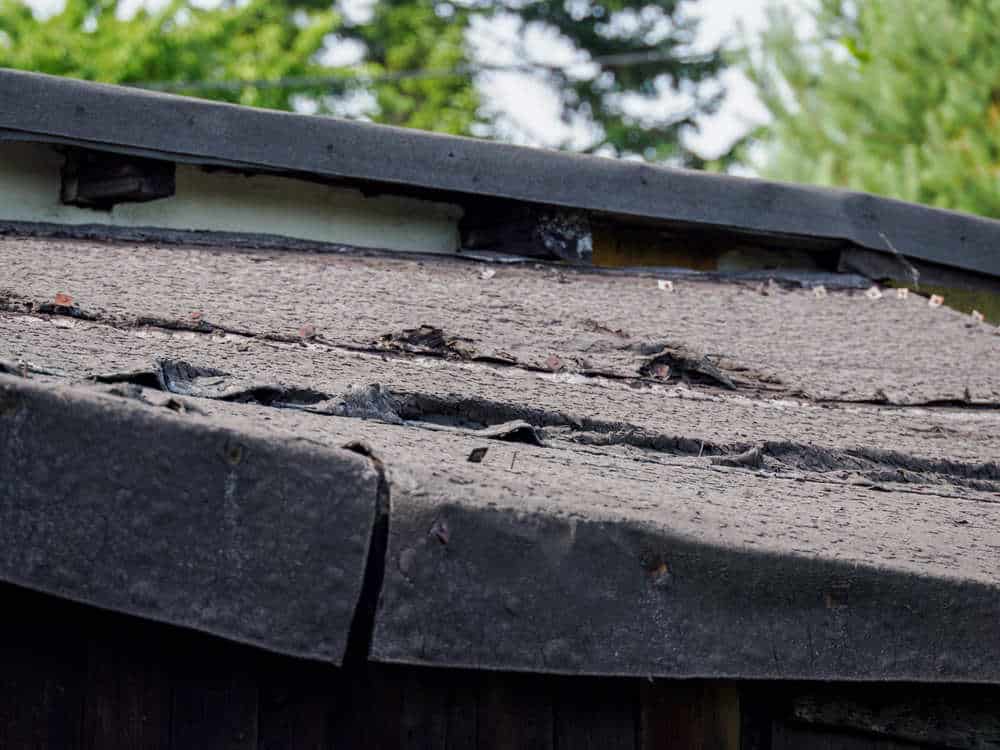
Heat damage often develops gradually, making it easy to overlook until more serious problems appear. Homeowners should watch for these common warning signs before minor wear turns into costly repairs:
- Curling, buckling, or cracked shingles
- Blistering or bubbling roofing materials
- Fading or discoloration from prolonged UV exposure
- Granule loss on asphalt shingles
- Brittle or splitting roofing materials
- Exposed underlayment or lifted flashing
- Warped roof sections or loose tiles and shingles
Extreme heat and constant sun exposure dry out roofing materials over time, causing them to become brittle and more likely to crack or split. While fading or discoloration may seem cosmetic, it often signals that UV rays have begun breaking down the roof’s protective surface. As damage progresses, flashing can lift, underlayment may become exposed, and roofing materials can shift out of place, increasing the risk of water intrusion.
Heat-weakened roofs are also more vulnerable during Las Vegas monsoon storms and high winds. Roofing materials that have already been stressed by months of intense heat are less able to withstand severe weather, allowing small cracks or loose sections to become leaks. Even if the damage appears minor, addressing these warning signs early can help prevent insulation damage, interior water intrusion, and more expensive roof repairs later.
Hidden Problems That Can Develop from Long-Term Roof Heat Damage
Not all roof heat damage is visible from the ground. While cracked shingles or faded tiles are easy to spot, prolonged heat exposure can also damage important roofing components beneath the surface. Left untreated, these hidden issues can affect your home’s structure, energy efficiency, and long-term repair costs.
Some of the most common hidden problems include:
- Deteriorated underlayment and waterproof barriers
- Cracked flashing and dried-out sealants
- Roof decking weakened by moisture intrusion
- Mold growth and damaged attic insulation
- Ceiling stains and interior water damage
- Wood rot and structural deterioration
- Higher cooling costs from reduced energy efficiency
As roofing materials deteriorate, they allow more heat to enter the attic and living spaces, forcing your air conditioner to work harder during Las Vegas summers. Over time, weakened flashing, sealants, and underlayment can allow moisture to penetrate the roof, leading to leaks, mold, insulation damage, and wood rot. These problems often worsen during the monsoon season, when wind-driven rain finds openings created by months of extreme heat.
Many heat-related roof repairs and problems cannot be seen without a professional inspection because the damage develops beneath shingles, tiles, or other roofing materials. Catching these issues early can help prevent extensive structural repairs and significantly reduce the overall cost of restoring your roof.
How to Prevent Heat Damage and Extend the Life of Your Roof
Preventative roof maintenance is the best way to protect your roof from Las Vegas’ extreme heat and avoid costly repairs. Regular inspections and routine upkeep can identify small problems before they become leaks or structural damage.
To help extend the life of your roof:
- Schedule professional roof inspections at least once a year and after major heat waves or severe storms.
- Replace damaged shingles or tiles as soon as they are found.
- Reseal flashing and repair cracked sealants to prevent moisture intrusion.
- Remove debris and keep roof drainage areas clear.
- Maintain proper attic ventilation and insulation to reduce heat buildup beneath the roof.
- Consider reflective or cool roofing materials that help reduce UV absorption and surface temperatures.
Proper attic ventilation plays an important role in preventing heat damage by allowing hot air to escape instead of becoming trapped beneath the roof. Combined with adequate insulation, this helps reduce stress on roofing materials and can improve your home’s energy efficiency. Homes in Southern Nevada can also benefit from reflective roofing products and UV-resistant materials that are designed to perform better under constant sun exposure.
Because Las Vegas roofs endure intense heat for much of the year, ongoing maintenance is essential. Scheduling inspections after the hottest months and following severe storms helps catch developing issues early, reducing the likelihood of leaks and extending the overall roof lifespan in Las Vegas.
When to Schedule a Professional Roof Inspection for Heat Damage
If you notice signs of roof heat damage, scheduling a professional inspection as soon as possible can help prevent more expensive repairs. Homeowners should not ignore curling shingles, cracked or discolored roofing materials, sagging areas, leaks, loose flashing, or rising energy bills, as these may indicate damage that extends beyond the surface.
A professional roof inspection typically includes evaluating:
- Shingles, tiles, or other roofing materials
- Flashing and sealants around roof penetrations
- Underlayment and waterproof barriers
- Attic ventilation and insulation
- Gutters and drainage systems
- Roof decking and structural components
- Signs of moisture intrusion or hidden damage
Many heat-related roofing problems develop beneath the visible roofing materials and cannot be identified from the ground. During an inspection, a roofing professional evaluates the entire roofing system to uncover hidden issues before they lead to leaks, wood rot, or costly structural repairs. Early documentation is also valuable before the monsoon season, when weakened roofing materials are more susceptible to wind-driven rain and additional damage.
For aging roofs or homes that have experienced years of intense Southern Nevada sun, routine inspections provide peace of mind and help homeowners plan repairs before major problems develop. Ariat Roofing has extensive experience evaluating roofs exposed to the Las Vegas climate and provides thorough, detail-oriented inspections that help homeowners make informed decisions about repairs or replacement.