
What Does Wind Damage Look Like on a Roof? A Practical Guide
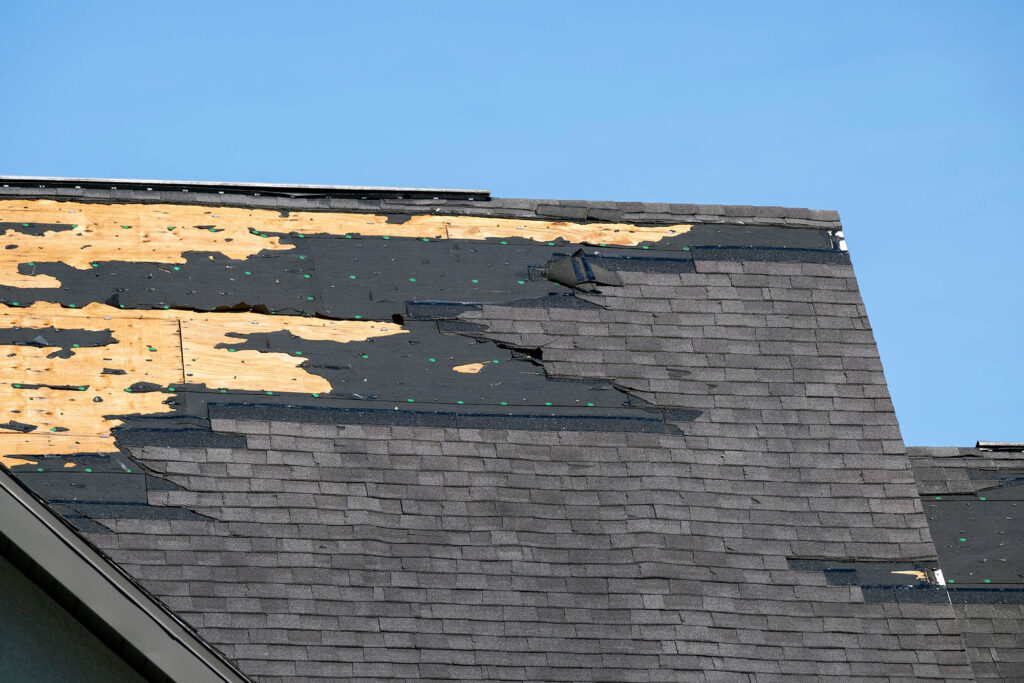
When a storm rolls through, homeowners often wonder how to tell if their roof has been damaged. So, what does wind damage look like on a roof? The most obvious signs include missing shingles, shingles that are visibly lifted or curled at the edges, broken or missing tiles, dents or granule loss from hail and debris, bent or detached gutters and water stains inside the home that suggest a leak.
High winds, hail and flying debris can harm shingles, flashing, gutters and even the roof’s structure. Catching these warning signs early matters because undetected damage can shorten your roof’s lifespan and lead to costly repairs.
Wind damage doesn’t always look dramatic. While the most obvious signs are easy to spot, more subtle issues like creased shingles, loose flashing or small punctures often require a closer inspection.
Common Signs of Wind Damage
Wind damage shows up in many ways, depending on the roofing material and the strength of the storm. Recognizing the most common signs makes it easier to address problems before they get worse.
Shingle and Surface Damage
Missing shingles are one of the clearest signs of roof wind damage, since strong winds can tear them away completely and leave the underlayment exposed. Sometimes shingles don’t blow off entirely but loosen at the edges. Lifted or curled shingles often indicate the seal has been broken, creating pathways for water to enter. In other cases, you might see granule loss where the protective coating wears away, leaving the shingles bare. Creases across shingles are another subtle warning sign, showing they’ve been bent upward by wind pressure and may not perform as intended.
Roof Structure and Edges
Damage often starts at the edges of a roof, where wind exerts the most pressure. Shingles and flashing may loosen or detach here first, and once that happens the damage tends to spread inward. Flashing around chimneys, skylights or vents can also come loose, allowing water to sneak in around openings. If the decking beneath the shingles is exposed or looks warped, that’s a more serious form of damage. In severe cases, the entire roofline may shift or sag, which signals structural issues that need immediate attention.
Supporting Components
Wind doesn’t just affect shingles. Soffit and fascia can loosen or break away, opening gaps that let in water and pests. Gutters are also vulnerable; dented, bent or detached sections compromise drainage and lead to leaks. Roof vents can be damaged or even torn off completely during strong winds, creating more entry points for water.
Interior and Flat Roof Issues
Sometimes the signs of wind damage show up inside. Water stains on ceilings, damp insulation, or leaks in the attic all point to openings in the roof system. On flat roofs, the membrane itself may tear or puncture under wind stress, especially along seams and edges. Debris like branches or flying objects can puncture any type of roofing material, leaving behind visible marks and hidden vulnerabilities.
Even minor issues such as slight curling or granule loss can shorten the life of your roof. Scheduling professional roof inspections after a major storm ensures that subtle signs of roof damage from wind are caught early.
Conducting a Roof Inspection After Wind Damage
After a storm, homeowners often ask how to check for wind damage on a roof. Look for fallen shingles, damaged branches or pieces of roofing material on the ground. Check gutters for buildup of granules or dents from hail damage. Binoculars can help you spot lifted shingles, roof edge damage or missing vents without climbing a ladder. Inside the attic, watch for leaks, stains or damp insulation, all of which point to storm-related roof damage.
Climbing onto a storm-damaged roof is dangerous, so many homeowners choose to call for a professional roof inspection after wind damage. A roofer can spot creased shingles, compromised flashing or other problems that aren’t easy to see. This step not only ensures safety but also provides documentation if you need to file an insurance claim.
Impact of Wind on Different Roofing Materials
High wind speed affects roofing materials differently, depending on their design and condition of the roof. Understanding their strengths and weaknesses helps you prepare for storms and make informed choices if you’re planning a roof replacement.
Asphalt shingles remain the most popular option. They’re affordable and effective, but wind damage to asphalt shingles often appears as lifted edges, creasing or granule loss. Proper installation and regular upkeep are essential for asphalt shingle roofing in wind-prone areas.
Tile roofing offers greater weight and durability, which helps it resist high winds. Still, individual tiles can crack or break when struck by flying debris, leaving the roof vulnerable.
Flat roofs face a different challenge. Their membranes can tear or puncture under wind stress, especially along seams and edges. Once compromised, water can seep in quickly and lead to structural damage.
The age and condition of any roof influence how well it performs during a storm. For homes in regions with frequent strong winds, choosing wind-resistant materials and ensuring professional installation can make a significant difference in preserving the lifespan of your roof.
Preventive Measures to Protect Roofs from Wind Damage
Regular maintenance like securing loose shingles and flashing is a simple but effective way to prepare before high winds hit. Keeping gutters and downspouts clear also helps drainage work as it should, preventing water from backing up into the roof system during heavy rainfall.
Staying on top of tree trimming around your home lowers the chance of falling branches puncturing shingles or membranes. Together, these preventive steps reduce the need for costly emergency roof repairs after wind damage and help extend the life of your roof.
Scheduling routine roof maintenance services is one of the best forms of wind damage roof leak prevention because it helps identify weak spots before storms can exploit them. And in high-wind regions, upgrading to wind-resistant roofing materials or reinforcing roof edges adds extra protection.
Understanding the Repair Process for Wind-Damaged Roofs
Once wind damage is confirmed, the repair process begins with an inspection and documentation of the affected areas. Roofers often start with temporary protection, such as tarps, to stop immediate leaks and protect the interior of your home. Permanent repairs may involve patching damaged shingles, replacing sections of underlayment, or in more severe cases, recommending a roof replacement.
The cost of repairs depends on the type of roofing material, the extent of the roof damage and labor required. A reputable contractor with experience in storm damage should guide you through whether a simple repair is enough or if structural damage makes replacement the better choice. Choosing a roofing company familiar with insurance requirements ensures repairs are properly documented and supported during the claims process.
Filing an insurance claim for roof wind damage can feel overwhelming, but following a clear process makes it smoother. Start by documenting everything with photos—missing shingles, flashing damage, gutter dents or interior leaks. A professional inspection report strengthens your case and provides the detailed evidence insurers require.
When you contact your insurance company, provide both the photos and the roofer’s documentation. Meeting with the adjuster is an important step, and it helps to walk them through visible roof storm damage while sharing the roofer’s professional findings. A reputable roofing contractor can meet with adjusters to ensure all storm damage is properly noted to simplify this process.
Many claims are delayed or underpaid because subtle problems like shingle creasing or flashing issues weren’t included. Working with a contractor experienced in storm-related repair and insurance claims ensures you receive fair coverage for all necessary work.
Protect Your Home: Take Action Against Wind Damage Now
A few lifted shingles or damaged tiles might not seem urgent at first, but if water seeps in, it can lead to interior water damage. Insurers often expect claims to be filed promptly, and if a problem is left too long, they may argue that the damage was caused by neglect rather than the storm itself.
In some cases, that delay can be the difference between getting a roof replacement covered and having to pay out of pocket. Early detection, consistent maintenance and choosing the right materials are the best defenses against roof storm damage.
If you suspect roof damage after strong winds or simply want reassurance, schedule a professional roof inspection. Whether you need routine roof maintenance services, targeted repair or guidance on replacement options, Ariat Roofing is here to help. Contact Ariat Roofing today to learn more about wind damage roofing solutions and how to keep your roof strong for years to come.