
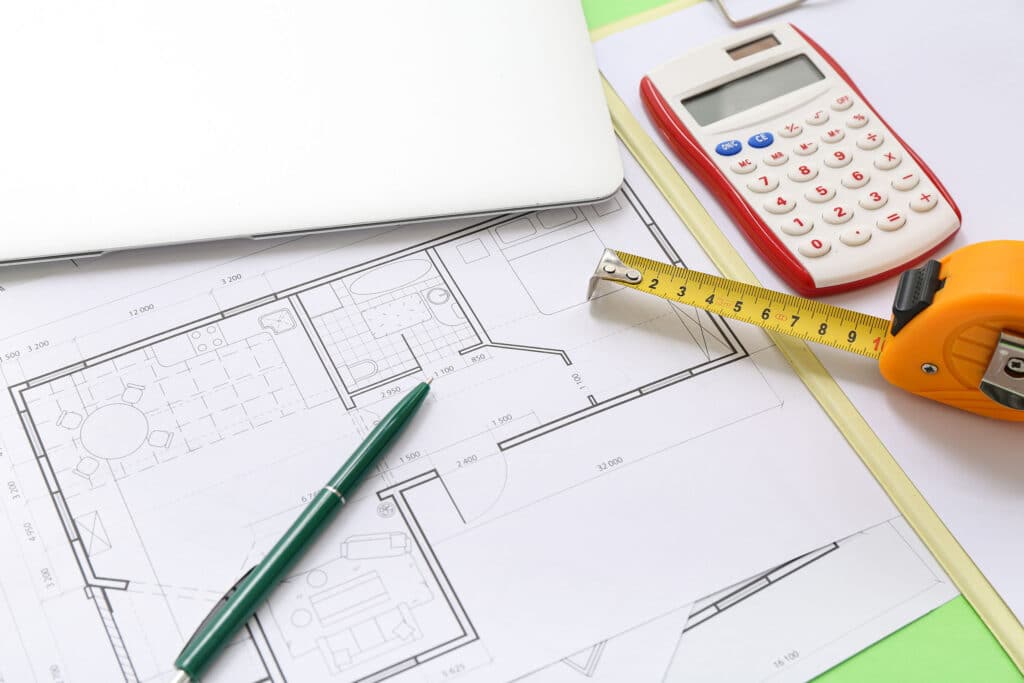
How to Accurately Calculate Roof Square Footage for Your Next Project
What separates a precise roofing estimate from a costly miscalculation? It all starts with a few simple measurements.
Knowing how to calculate roof slope and measure a roof’s total area is an essential skill for planning a roofing project. This guide breaks down how to calculate roof square footage for both simple and complex roof types, using a mix of traditional and modern techniques.
Step-by-Step Guide to Calculating Roof Square Footage
Accurately determining your roof’s square footage is one of the most important first steps in any roofing project. Whether you’re replacing tiles/shingles, estimating materials, or comparing quotes, knowing your roof’s size from the start can prevent mistakes and material waste.
Step 1: Measure the Roof Planes
Begin by sketching your roof layout on paper or a digital note-taking app. Each flat section of your roof is called a “plane.” Measure the length and width of each plane using a tape measure, laser distance measurer, or a roofing measurement app.
Multiply length by width to find the surface area of each plane in square feet. For example, if one section of your roof measures 30 feet long by 15 feet wide, its surface area is 450 square feet. Repeat this process for each plane, then add the totals together.
This basic method works best for simple gable or hip roofs. For more intricate designs, break the roof into smaller geometric shapes—rectangles, triangles, or trapezoids—so each part can be measured accurately before combining them for the final total.
Step 2: Adjust for Roof Pitch
The pitch, or steepness, of your roof affects its total surface area. A steep roof has more surface than a flat one, even if both have the same base footprint. To account for this, measure your roof’s pitch ratio.
You can do this manually using a level and ruler. For example, a “6/12 pitch” means the roof rises 6 inches for every 12 inches of horizontal run. Once you know your pitch, multiply your roof’s base area by the corresponding slope multiplier to find the true area.
Here’s a quick guide to common pitch multipliers:
- 3/12 pitch = 1.03
- 6/12 pitch = 1.12
- 9/12 pitch = 1.25
- 12/12 pitch = 1.41
For example, a 1,200-square-foot roof with a 6/12 pitch would have 1,200 × 1.12 = 1,344 square feet of surface area. If you’d prefer not to calculate manually, you can confirm your numbers using a roof area calculator to verify pitch adjustments and account for multiple sections.
Step 3: Account for Roof Complexity
Not all roofs are simple rectangles; dormers, valleys, skylights, and overhangs all add to (or reduce) total roof area. The more complex the roof design, the more crucial accurate measurement becomes.
To properly handle this:
- Break down complex areas into smaller sections. Measure each shape separately, then add them together.
- Include dormers and valleys by measuring their base dimensions and applying the same pitch multiplier.
- Add overhangs and eaves, which often extend 6–12 inches beyond walls. Measure these extensions and include them in your totals to avoid underestimating materials.
Step 4: Double-Check and Add for Errors
Even small measurement errors can cause big problems during installation. Always double-check your numbers, remeasure sections that seem off, and keep detailed notes. Once you’ve finalized your total, add a 10% buffer to account for waste, cutting, overlaps, and odd angles.
For example, if your total roof area comes to 1,500 square feet, add 150 square feet for a buffer—bringing your total to 1,650 square feet. This helps you make sure you order enough tiles/shingles and underlayment, especially if your roof has irregular features.
Step 5: Use Technology for Accuracy
Technology has made it easier and safer than ever to calculate roof square footage. Roof measurement software and drone-based tools can generate precise calculations without climbing ladders.
Modern options include:
- Drone measurement services that scan the roof and calculate total square footage automatically.
- Roofing apps like Hover or RoofSnap, which create 3D models based on smartphone photos.
- Aerial imaging tools (such as Google Earth Pro) that let homeowners measure from overhead views.
For professional roofers and property managers, these tools can dramatically improve job estimates and safety.
How Roof Pitch and Slope Impact Square Footage
The steepness of a roof doesn’t only change its appearance; it affects how much material you’ll need. Understanding how roof pitch can influence area and cost benefits accurate planning.
Roof Pitch and Its Effect on Square Footage
As the pitch increases, the roofing surface area expands. For instance, if two homes each have a 1,000-square-foot footprint, but one has a 3/12 pitch and the other a 9/12 pitch, the steeper roof may require 15–25% more material.
This is because pitch adds “rise” without expanding the building footprint, creating additional surface for shingles or tiles. The higher the rise, the greater the exposed area—and cost. Differences like these underscore why careful roofing project measurements are so essential before ordering materials or estimating labor.
Adjusting for Pitch
Use the roof slope multiplier method to adjust for pitch when calculating roof area. Multiply the building’s footprint by the correct factor from your pitch chart. For example:
- A 4/12 pitch uses a 1.06 multiplier.
- A 10/12 pitch uses a 1.30 multiplier.
Following this simple roof square footage formula provides accurate material estimates and prevents underordering. By applying the proper roof area multiplier, you can easily calculate roof area with pitch and get results that align with real-world installation needs.
Accounting for Roof Complexity in Square Footage
Architectural elements like dormers, valleys, and multiple rooflines make a home visually appealing, but they also complicate measurements. Each additional feature adds angles and intersections that make it harder to determine surface area precisely, increasing the risk of roof measurement errors if not planned carefully.
Adding Architectural Features
Dormers, gables, and valleys increase roof area. To measure correctly:
- Sketch each section and label measurements.
- Break down unusual roof shapes into simpler parts (like triangles or rectangles).
- Apply the appropriate pitch multiplier for each.
Accurate measurements prevent shortages during material delivery and help estimate labor time more effectively. Factoring in every structure helps your roofing material calculation reflect the true scope of the project.
Overhangs and Extensions
Overhangs and eaves protect walls from rain and sun, but they also add measurable area. Measure these by extending your base roof dimensions outward by the overhang’s width (usually 0.5–1 foot).
Including these details makes sure that your material order—especially for tiles/shingles, underlayment, and drip edge—is precise. Together, these measurements form the foundation of your roofing project measurements, allowing contractors and homeowners to order the right amount of material and minimize waste.
Common Mistakes in Roof Square Footage Calculation
Even experienced DIYers and roofing contractors make errors when calculating roof area. Here are some frequent pitfalls and how to avoid them.
Incorrect Roof Pitch Adjustments
Failing to adjust for pitch is one of the biggest causes of underestimation. If you calculate using the home’s footprint alone, you’ll likely order too few materials. Always use a verified pitch multiplier.
Ignoring Overhangs and Eaves
Homeowners often forget to include eaves and overhangs, especially if they appear minor. However, a few extra inches around the perimeter can add tens of square feet to the total roof area.
Relying on Home Square Footage
Your home’s floor area isn’t the same as your roof’s area. Roof pitch, extensions, and architectural features all increase total square footage. Using home size alone for estimates leads to inaccurate material and labor costs.
Neglecting Complex Roof Sections
Breaking complex roofs into smaller geometric sections ensures accuracy. Skipping this step, or estimating by sight, can cause errors of 10–20%—especially on multi-story or irregularly shaped homes.
Missing Roof Features
Chimneys, skylights, and dormers affect both roof area and material layout. Always subtract openings (like skylights) from total square footage, and account for flashing and sealing materials around them.
Not Accounting for Multiple Stories or Additions
If your home has multiple roof levels—such as a main structure and a garage—measure each separately. Combine these to get the complete total.
Underestimating Waste and Overages
Material waste is inevitable. Always plan for an extra 10% to cover cutting, alignment, and overlaps. Ordering slightly more material up front can prevent costly project delays.
Trust Ariat Roofing for Accurate Roof Square Footage & a Hassle-Free Roofing Experience
Every successful roofing project begins with accurate measurements. Correctly determining your roof’s total square footage ensures you order the right amount of material, avoid waste, and maintain your project budget.
Errors in calculation can lead to shortages, delays, or overpurchasing—each costing homeowners unnecessary time and money.
Final tips for accuracy:
- Always measure each roof section individually.
- Apply pitch multipliers for slope adjustments.
- Include overhangs, dormers, and valleys in your totals.
- Use a digital roof area calculator or drone tool to confirm results.
- Add a 10% material buffer for cutting and waste.
If you’re unsure about your calculations—or dealing with a steep, multi-level, or complex roof—contact a certified roofing expert. Whether you need roof inspection, repair, or maintenance services, Ariat Roofing is here to help. Our team of professionals provides precise measurements, transparent estimates, and expert craftsmanship.
As local experts in tile roofs and asphalt shingle roofs, we ensure every project—from basic repairs to complete roof replacements—is handled with accuracy, safety, and long-term reliability in mind.