Homeowners often hesitate before adding solar panels, worrying that the installation could damage their roof. It’s an understandable concern. Drilling into shingles, attaching heavy panels and adding weight to a structure that’s already protecting your biggest investment can raise questions. When solar panel installation is done correctly by experienced roofers, it does not damage your roof; in fact, it often raises the resale value.
Solar panels are more popular than ever. As homeowners research this energy-saving, resale-boosting upgrade, it’s common to wonder whether the installation could cause roof damage. It’s a fair concern, but when the work is handled by experienced, licensed professionals, the risk is highly unlikely.
This guide will correct common misconceptions and help you better understand the process. We’ll cover how to avoid problems, what professional installers do differently and why protecting your roof is the key to getting the best return on your solar investment. Topics include roof penetrations, professional versus DIY risks, and maintenance strategies that help your system last as long as your roof.
Do Solar Panels Damage Roofs?
No, not when installed correctly. The real issue isn’t the panels—it’s the installation process.
Poorly done work can cause trouble, from leaks to structural stress. Common problems homeowners report after a bad install include water intrusion around mounting points, roof sagging from miscalculated loads or damage to shingles and underlayment from drilling in the wrong places. For example, if a technician misses a rafter when securing a mount, the hardware may pull loose over time, creating gaps that water can seep into.
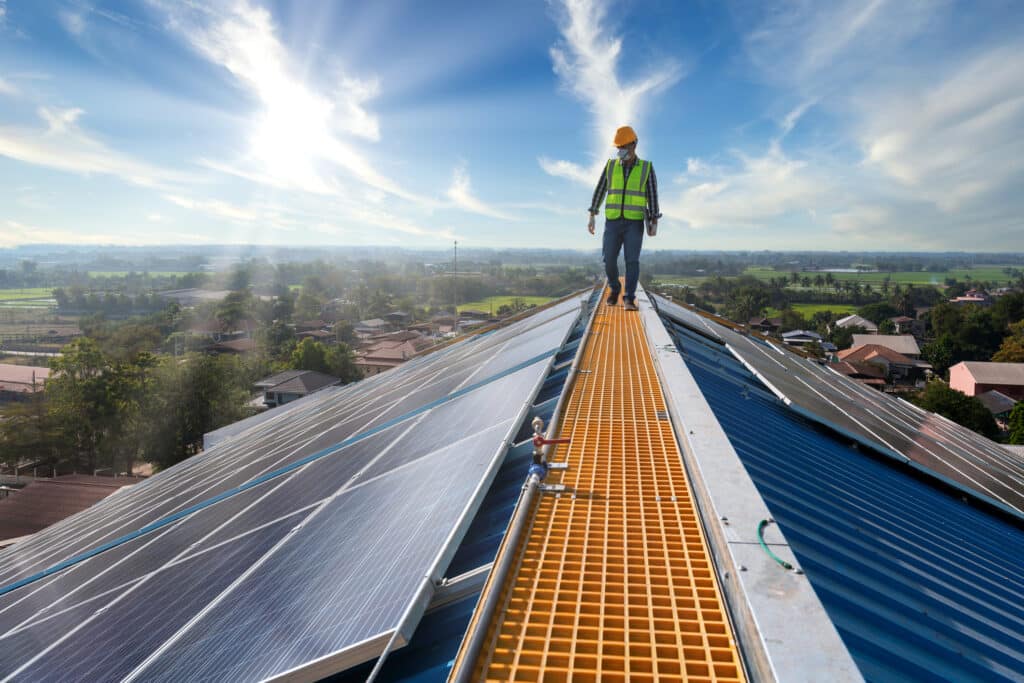
Licensed installers follow building codes, use engineered solar panel mounting systems, and ensure the roof can bear the added solar panel weight load. Before work starts, they check the roof’s age, material and structural soundness. This extra step can make the difference between a trouble-free system and years of repairs.
Will Solar Panels Put Holes in Your Roof?
Before a single hole is drilled, a professional crew plans every mount location using detailed measurements, rafter maps and stud-finding equipment. This ensures each anchor point hits solid framing, which is essential for both stability and leak prevention with solar panels.
Once locations are marked, the installer drills pilot holes and uses specialized hardware like stainless steel lag bolts. Every penetration is paired with roof flashing for solar mounts, which works as a shield, redirecting water away from the opening. On top of that, high-quality sealant for solar panel installation is applied to create a watertight bond. These materials are chosen for their ability to withstand Nevada’s temperature swings and intense UV exposure.
The holes aren’t inherently a problem. They’re part of the installation process.
Here’s how it works for different roof types:
- Shingle roofs: Installers use lag bolts anchored into rafters, with metal flashing under the shingles to divert water. High-grade sealant for solar panel installation is applied for extra leak protection.
- Tile roofs: Special hooks attach under the tiles, or tiles are replaced with ones that have built-in mounts to prevent cracking.
- Flat roof: Ballasted racking systems often rely on weight instead of drilling, minimizing penetrations.
- Low-slope roofs: These may use a mix of ballast and mechanical attachments with specialized flashing for waterproofing.
When it comes time for removal, whether for roof replacement or an upgrade, each hole should be resealed with matching materials. This step is critical for protecting your roof’s lifespan after the panels are gone.
Can Solar Panels Protect Your Roof?
Done right, solar panels can actually help preserve your roof. The panels act as a barrier against UV rays that degrade materials over time. Shaded areas beneath panels stay cooler, which can ease HVAC strain during Nevada’s hottest months too.
Panels also shield sections of the roof from hail, heavy rain and wind-driven debris. The air gap between the panels and roof allows ventilation, reducing trapped heat.
While panels add protection to the covered portions, they don’t replace regular roof maintenance. Annual inspections remain essential to catch issues before they become costly repairs.
Risks of Poor Installation
Unprofessional or DIY solar installation carries significant risks. Incorrect drilling, missing rafters, or using substandard flashing can lead to a roof leak. Left unaddressed, leaks can cause rot, mold and insulation damage.
Structural risks are another concern. If the system’s load isn’t calculated correctly, the roof may sag under the weight, especially if the home never had roof reinforcement for solar panels. Improper wire routing can also wear through roofing materials over time.
Local building codes, permits and inspections exist to prevent these problems, but they only work if your installer follows them. Hiring a licensed, insured company that offers workmanship warranties is your best protection.
Roof Age and Condition Considerations
If your roof is already near the end of its life, adding solar may not be a good option. A roof that’s due for replacement within five years should be addressed before installing solar panels. This way, you avoid the high cost of removing and reinstalling the system later.
Removing panels for roof work isn’t just labor-intensive. It can add thousands to a project. Aligning a new roof with your solar project gives you a clean start, a strong surface for mounting and uninterrupted energy generation for years to come.
Professional installers often require a roof inspection for solar to confirm the surface is in good shape and meets warranty requirements. If needed, structural reinforcement can be added before installation.
Avoiding Roof Damage With Best Practices
Roof preparation for solar installation might involve replacing damaged shingles or tiles, reinforcing framing or upgrading underlayment. Skipping these steps can shorten the roof lifespan with solar panels and create unnecessary repair costs later.
After installation, homeowners should include the array in their seasonal roof maintenance routine. That means removing leaves, branches or nesting material around mounts and checking that no hardware has loosened. An annual roof inspection for solar helps confirm seals are intact, mounts remain stable and no hidden water damage has started. These small, consistent steps go a long way in preventing solar panel damage and keeping both your roof and system performing how they’re intended to for decades.
Here’s a homeowner checklist to help ensure a safe, long-lasting system:
- Hire certified, licensed, insured installers with experience in both roofing and solar.
- Require a full structural assessment for solar before signing a contract.
- Ask about roof penetration warranties and get coverage in writing.
- Install critter guards to prevent nesting under panels.
- Schedule annual roof inspections to catch issues early
- Keep the roof clean and free of debris buildup around mounts.
- Follow the manufacturer’s maintenance guidelines.
These steps protect both your energy system and your roof’s long-term performance.
FAQs About Solar Panel Roof Damage
Thoughtful homeowners naturally have questions before deciding on solar panels. Asking them means you’re protecting your roof and your investment. Here are some of the most common questions we hear from homeowners like you before they move forward.
Will installing solar void my roof warranty?
In some cases, roof penetrations can affect a roof warranty. Always check with both the roofing manufacturer and the solar installer before moving forward. Many professional installers provide a penetration warranty covering leaks caused during installation. Get all agreements in writing.
What if my roof leaks after installation?
If you see signs of a leak, contact your installer right away. Many offer leak repair as part of their workmanship warranty. Avoid DIY fixes that could make matters worse or void your coverage. Ariat Roofing offers professional roof repair and inspection services to address these situations quickly.
Can solar panels be installed without roof penetrations?
Traditional systems on pitched roofs usually require drilling into rafters. However, flat roofs can often use ballast systems with no holes and ground-mounted systems or solar carports are also options.
Do solar panels add weight that stresses the roof?
Each panel weighs about 40 pounds, plus racking hardware. Most homes handle the load, typically 2 to 6 pounds per square foot but older roofs may need reinforcement. Request a load analysis before committing.
How do I repair roof areas after removing solar panels?
When panels come down, the mounting holes must be sealed professionally to prevent leaks. If replacing the roof, the installer can coordinate with a roofer to patch or match materials. Ariat Roofing offers solar panel installation services and can assist with removal and resealing as part of roof replacement work.
A Solar-Ready Roof Starts With the Right Team
For most homeowners, concerns about solar panels damaging roof materials are usually alleviated when the work is handled by a skilled, reputable installer. The panels themselves don’t harm a healthy roof, and with the right planning, they can even extend its life.
The key is preparation. A solid roof preparation for solar installation plan, professional mounting, quality materials and ongoing maintenance all work together to protect your home.
Ariat Roofing knows the Southern Nevada climate, the building codes and the roofing systems that work best here.
Whether you’re considering solar panel installation services now or planning ahead, we can help ensure your roof is solar-ready, leak-free and built to last. Schedule a roof inspection today, or contact Ariat Roofing to discuss your solar plans with our team.