
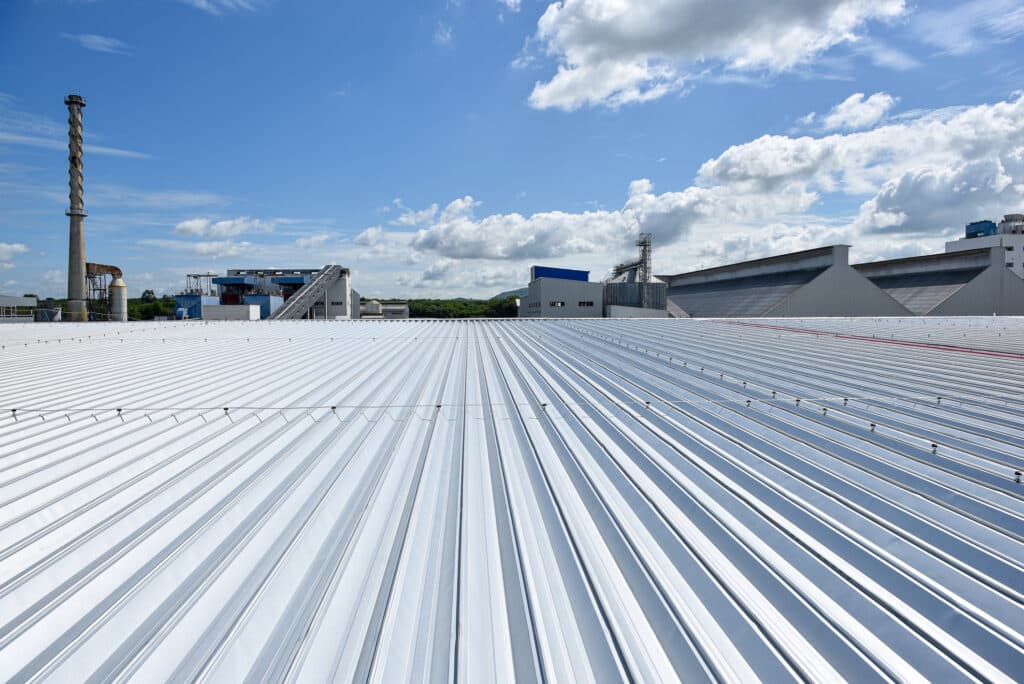
If you have a flat roof, you know it brings some benefits and a few challenges. Flat roofing is great for a variety of applications, like expanding your usable outdoor space for entertaining, leisure, or HVAC installation. Of course, you’ll need to take care to avoid flat roof problems. Here are a few things you should know about maintaining your flat roof.
Problems With Flat Roof Houses: Why They Happen and What to Watch For
You should know that a flat roof is never truly flat. It usually has a slight slope, often as little as a quarter-inch of rise for every foot of width. This slight incline allows water to run toward the drainage system. A pitched roof tends to be more practical in areas with snowfall, but flat roofing is popular for desert houses for these reasons:
- Flat roofing increases usable outdoor square footage, if you want to install solar panels, a packaged HVAC system, or an outdoor patio.
- Flat roofing follows a minimalist style that is popular for modern homes.
- Flat roofing takes less material, which can lower the total cost of a home addition or other roofing project.
Along with these benefits, you can expect a few problems with flat roof houses. They are exceptionally dependent on the drainage system, barriers, and membranes, since the water has nowhere else to go. The intense sun, large swings in temperature, and monsoon-style rains common to the Las Vegas climate can put a strain on these systems. If you want to avoid roof leaks, ponding, or damage to the roofing material, you should watch out for these issues.
Drainage and Ponding Water Issues on Flat Roof Homes
If you have a flat roof and your area gets occasional rain, you’ll need a great drainage system. Flat roofing usually relies on various drainage methods, including internal or external drains, scuppers on the sides of the roof, and gentle sloping to push the water in the right direction. All it takes is a little debris in the way, and that slight slope can no longer guide precipitation in the right direction. You’ll end up with ponding water that keeps appearing after every storm. Poor drainage doesn’t always mean a clog. Ponding water comes from various causes, including:
- Flat roof drainage issues, such as drains or scuppers clogged with debris buildup
- Poor or insufficient drainage design
- Depressions in the roofing surface due to wear or water damage
- Resurfacing that imbalances the drainage plane
It doesn’t take long for ponding water to start causing problems. It adds extra weight to your roof, which may not be able to handle the load. Water can break down the membranes that keep precipitation from permeating the roofing structure, putting stress on the seams and increasing your risk of leaks.
You can spot a problem by checking your roof periodically. If you notice ponding water more than 48 hours after a storm, you probably have a drainage issue. You may also see rings of dirt or silt, algae stains, soft spots, or discoloration on your interior ceilings. These issues are more likely to show up after wind-blown debris and heavy rains.
Leaks, Seam Failures, and Membrane Damage
Leaks commonly happen around the areas where the roofing is most likely to fail. Look around the seams, edges, skylights, vents, parapet transitions, or HVAC stands. Over time, high UV exposure can dry out membranes and sealants that are supposed to keep water out. Thermal expansion and contraction due to temperature swings pulls at the seams and loosens them over time. If the flashing is starting to fail, high wind can lift the edges.
You may also encounter physical damage. Flat roofing with high foot traffic can get punctured or worn down, to say nothing of the occasional falling tree branch. Even contractors performing rooftop equipment maintenance can cause damage unexpectedly.
Flat roof leaks can suffer from water damage quickly, so you’ll want to take action after spotting the following signs:
- Brown rings on your ceilings that get larger after storms
- Peeling paint high on the walls
- Flat roof insulation issues, like strange odors or damp insulation
- Mystery drips that you cannot identify during or after a storm
Keep in mind that water spreads across a low-sloped roof deck before it starts to show signs indoors. This means that once you notice it on your ceiling or walls, it may be much more widespread than you realize.
Heat, UV Exposure, and Material Aging in Flat Roof Houses
Besides contributing to membrane failure and other issues that cause ponding water on a flat roof, you have to pay attention to the way that heat affects the roofing material itself. UV exposure can make the material brittle, cause it to shrink or crack, or lose reflectivity over time. The persistent cycle of high midday temperatures and warm nights causes membranes to expand and contract, putting stress on connection points like seams, penetrations, and transitions.
You should look for the following flat roof house problems:
- Blistering or bubbling in the material, due to encroaching water under the surface
- Dried-out membranes making the material look like alligator skin
- Sealant that starts to crack or peel due to dry rot
Reflective coatings and a light-colored roof membrane can help to slow the damage by reflecting the heat and UV light away from the home.
Ultimately, the best thing you can do to avoid these common flat roof problems is to pay attention to the roof. Check the surface for cracking, chalking, lifted seams, or discoloration. On the hottest days, minimize time you spend on the roof to reduce foot traffic.
Maintenance Gaps and How to Prevent Recurring Flat Roof Problems
For most homeowners, the biggest flat roof maintenance problems start with neglect. If you didn’t see a blocked drain, a lifted seam, or cracking sealant, you may not do anything about it. Instead of letting common flat roofing problems get worse, you can perform a few basic preventative tasks. Do a visual check after big storms, and plan to clean up debris after it falls each season. To get a professional eye, schedule annual roof inspections.
Although DIY can help you reduce the likelihood of structural damage, you’ll need roof maintenance services as well. Walking on the surface improperly can lower your flat roof lifespan, and contractors have proper tools and training to handle the material with care. If you notice persistent ponding, leaks that come up repeatedly, soft spots, cracking, or lifted membranes, you should call a professional for flat roof repair.
Contact Ariat Roofing for expert assistance in maintaining your roof. Our flat roofing services can help you avoid surprise failures and preserve the lifespan of your roof, particularly in the Las Vegas climate.