Why Air Conditioners Are Installed on Roofs — and What It Means for Your Roof
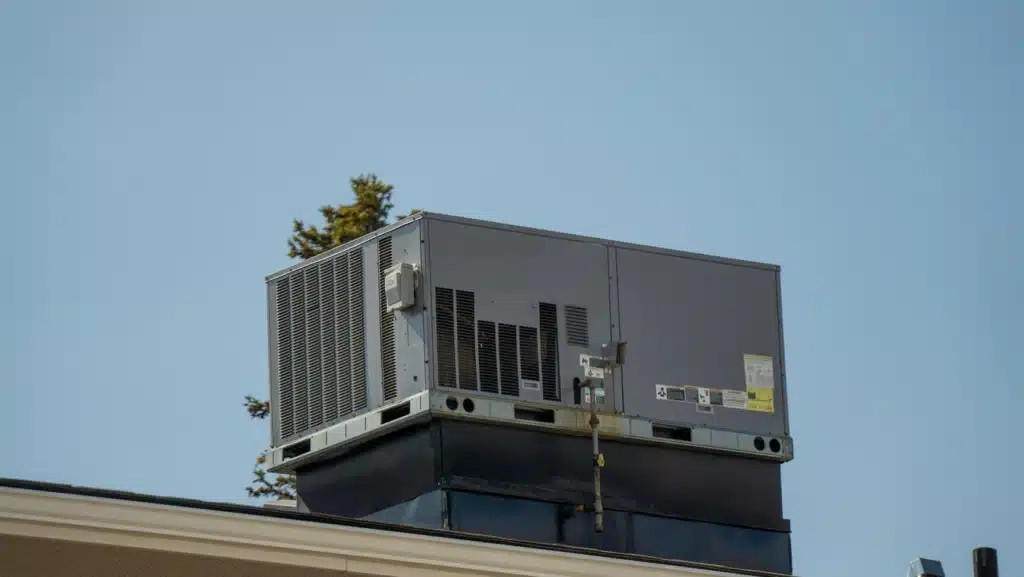
As you drive through neighborhoods in Las Vegas, you might notice that the air conditioning systems often sit on top of the homes instead of on the ground. While this is a standard practice for commercial buildings nationwide, a rooftop AC unit for residences is more common in regions with hot climates. There are plenty of benefits to installing rooftop air conditioners in Las Vegas, including greater energy efficiency and easier maintenance, but there are several considerations you should make before you decide. With this guide, you’ll understand why air conditioners are on roofs in Las Vegas and how installing one can affect your roof.
Why Rooftop AC Units Are Common in Las Vegas
Although not every home has a roof-mounted AC unit in the Las Vegas area, it’s easy to see why they are becoming more popular. Here are a few reasons:
- Lot Size: The average lot size in Nevada is just under 7,500 square feet, the lowest in the country. Installing HVAC on the roof maximizes dense lot spacing, making more room for landscaping and other features.
- Installation and Upkeep: All-in-one rooftop units are generally easier to install and maintain, compared to split systems installed on the ground.
- Efficiency: A rooftop unit gets guaranteed airflow, which might otherwise be hindered by landscaping or other fixtures if it were on the ground. Since the unit is closer to the areas needing cooling, output is usually more efficient as well.
- Noise Control: AC units are notoriously noisy during operation, and a rooftop installation moves the source of the noise away from windows and doors.
- Reduced Vandalism: Rooftop units are harder to reach, which means vandals or thieves cannot easily break into them.
The dynamic of Las Vegas home construction promotes the use of rooftop units. A dramatic increase in planned communities, HOAs, and small-lot home designs made rooftop HVAC installation more common, even if it isn’t a perfect fit for every home in the area.
How Rooftop AC Systems Affect Roofing Performance
Although a rooftop air conditioning unit is fairly common in Las Vegas now, the installation of one depends on your roof condition, materials, and other factors. Rooftop units pack hundreds of pounds into a concentrated area, which means that your roofing structure must be able to support it. The penetration of the roof, along with vibration from normal operation, can affect roof performance. Not every home is a good candidate, especially those with an older or weaker roofing support.
Before installing a rooftop system, roof inspections are a key step. A roofing contractor can perform a detailed evaluation of your roofing structure and material to determine if it can support the additional weight of the unit. They can also identify concerns that the HVAC installer must address during installation, such as installing proper flashing and using approved sealants.
Roofing inspections are a critical component of the process after installation as well. A professional roof inspection at installation can verify that correct processes are followed, to preserve roof performance and avoid improper penetrations or other problems that could void your warranty coverage. The roofing contractor can also provide necessary guidance for HVAC maintenance services, given that the contractors will need to access the roof regularly.
Benefits and Drawbacks of Roof-Mounted AC Systems
Before you decide between rooftop vs. ground AC units, you should evaluate the various advantages and drawbacks. The benefits of rooftop air conditioning include:
- Efficient use of space, leaving more room on the ground
- Increased airflow around the unit, with less worry about falling debris or encroaching landscaping
- Reduced noise during operation
- Greater security against tampering
A rooftop unit tends to cost more and require more work to access it for maintenance, on top of the higher load requirements for the roofing structure. The extreme heat of the Las Vegas summer also increases UV exposure, which means that your roof AC unit lifespan might be shorter. If you live in a multistory building, have an HOA that doesn’t allow rooftop units, or have a lower weight limit on your roof, a ground unit may be a better choice.
Protecting the Roof During AC Installation or Service
For desert heat cooling systems requiring a rooftop installation, coordination between roofing and HVAC teams is important. The chief goal of your roof is to protect your home from wind, precipitation, and heat exposure. The roof can only meet these requirements if it can remain watertight, which calls for professional installation. Pre-installation inspections should evaluate the roof condition, review the load, and identify safe access paths. Since weight often depends on the unit’s size, HVAC load management in desert climates is key to ensuring effective installation and cooling efficiency in extreme heat.
During installation, roofing contractors can discuss HVAC roof access and safety, as well as recommending manufacturer-approved curbs, proper flashing techniques, and protective walk pads to prevent cracked tiles. After installation, documentation and routine inspection of seals becomes part of roof maintenance services. Even a professional installation may require regular inspections to ensure that the system does not leak or cause damage.
Cost, Efficiency & Longevity Considerations
Although residential rooftop HVAC design can be an effective option for many homeowners, you should review the costs and longevity to help you make an informed decision. Installation often costs more because the AC unit itself is bigger and requires more equipment to place. Your installer may use a crane lift to move the unit. They will need to verify the structure, create curbs to connect to the home interior, and patch the roof after installation, therefore, you can expect to pay more at the outset.
In exchange, you might pay less over time for operation, on top of the peace of mind you get from reduced theft and improved airflow. Cooling performance in high temperatures is always a challenge, but the location of flat-roof HVAC systems decreases the work the system needs to perform. Proper insulation in the attic, along with reflective roof coatings and energy-efficient materials, can improve your HVAC performance in Las Vegas.
Your return on investment depends on installation, weather, and other factors. Following rooftop AC maintenance tips, such as scheduling annual service, maintaining trees near the roof, and addressing roof damage promptly, can give you the greatest chance at efficiency and value of the purchase.
When to Involve a Roofing Professional
If you’re wondering how rooftop AC units work and whether they could be a good option for your home, talking to a roofing contractor is the best place to start. At Ariat Roofing, we have deep experience in desert conditions, as well as familiarity with Las Vegas building codes, HOA restrictions, and common roofing materials for the climate. We fill an important role in the process, helping you to identify factors that might put your home at risk and show you safe maintenance access for roof AC units.
We can be on hand for professional roof repair, but we can also participate in the installation process to help reduce your risk of leaks, preserve your load capacity, and maintain your warranty protection. To learn more about our services, such as rooftop inspections or commercial building roof repair, contact us to schedule a roof assessment.