
How to Find a Roof Leak Without Attic Access: Signs & Detection
For many homeowners, finding a roof leak involves going up to the attic to look at the underside of the roof deck. But what if you don’t have an attic? In that case, roof leak detection is harder, but not impossible. You’ll need to do a bit of sleuthing, and you should consider hiring a professional to make sure you locate all leaks. With this guide, you’ll learn the signs of a roof leak. You’ll also get a step-by-step guide to show you how to find a leak in a roof without an attic.
Roof Leak Detection Without an Attic
When you have an attic, it might be easy to go up there on occasion to improve your insulation or look for signs of water damage. Not every home has an attic, of course. Structures with vaulted or cathedral ceilings hide the roof decking behind the walls, so you may not be able to see it at all from the interior. If you suspect that you have a leaking roof, you’ll have to do a little more work to find it. Since water often moves along beams, insulation, or drywall, the location of the drip doesn’t always indicate the source of the leak.
Even a small leak can rot drywall and promote mold and mildew growth. Eventually, it can even damage your flooring and weaken your structural framing. The problem is often compounded by the climate. In Las Vegas, heavy rains (especially monsoonal storms) can turn a slight gap into a significant flow of water. Just bear in mind that the leak might be harder to source than you expect, even if you know where to look. In many cases, you’ll need a professional roof inspection to be sure you’ve got it.
Signs of a Roof Leak Without an Attic
Even if you can’t start in the attic, you can still pay attention to indicators that you have a leaky roof. Here are a few roof leak water intrusion signs to look for.
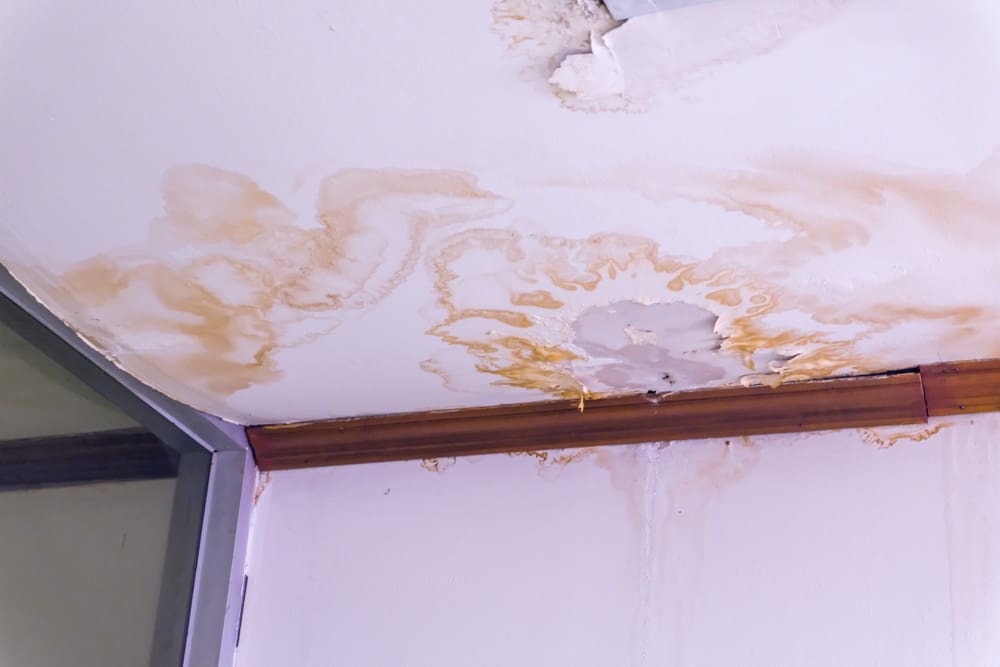
- Interior: On the home interior, look for signs of water damage. These include bubbling or peeling paint, ceiling stains that keep growing, odors of mold or mildew, warped trim, or sagging drywall.
- Ceiling Slopes: If you see water stains on a cathedral ceiling, presume that the leak is higher up, since water migrates downhill.
- Exterior: On the home exterior, look for roof damage. You may notice missing or damaged shingles, cracked or rusting flashing, loose siding (particularly where the siding meets the roof), or exposed nails.
Keep in mind that any of these problems can get worse when they happen all the time. If you can’t get rid of the ceiling stains even with repainting, or if you see moisture every time it rains, you probably have an ongoing issue.
The best way to direct your search is to pay attention to the way that the leak presents itself, especially if it occurs frequently. For example, a leak that shows up only after wind-driven rain might be an indicator of a problem with the flashing, while persistent staining probably results from shingle failure.
Common Causes of Roof Leaks Without Attic Access
When you are locating hard-to-find roof leaks, it helps to know some of the likely causes. These include:
- Shingle Damage: Shingles that are cracking, curling, or just plain missing compromise the roof structure.
- Flashing Problems: Flashing that is rusting, bent, or improperly installed can lead to leaks around chimneys, skylights, valleys, or wall intersections.
- Roof Penetration: The seal around solar panels, satellite dishes, or a roof vent can develop a leak as the seal breaks down.
- Improper Installation: Installation failures like poor underlayment overlap, unsealed valleys, or nails driven at the wrong angle can contribute to leaks.
- Tree Damage: Tree branches rubbing up against the roofing can cause excessive wear to the shingles, creating hidden roof leaks.
- Aging Roofing: As your roofing material gets older, it may wear down and lose water resistance.
If you need to find a roof leak without attic access, you know that some aspect of the roof is going to be the culprit. Getting onto the roof isn’t the easiest thing for everyone, but someone will need to do it eventually.
Step-by-Step Process to Find a Roof Leak Without Attic Access
If the idea of hopping onto your roof to do a personal inspection fills you with dread, you’re not alone. For many homeowners, it’s best to go straight to a professional roof inspector like Ariat Roofing. Otherwise, if you want to get a head start on finding a vaulted ceiling roof leak, you can follow these steps:
- Safety First: Use non-slip footwear, avoid climbing the roof during wet or windy weather, and be sure to secure the ladder.
- Start Indoors: When tracing roof leaks indoors, locate stains, bubbling paint, and note the highest or smallest instance. This is probably closest to the leak.
- Head Outdoors: Look at the shingles, flashing, and valleys. You might have a step-flashing roof leak next to the staining.
- Inspect Flashing and Vents: Look for rusting or cracks in the caulk. These might be an indicator of a chimney-flashing roof leak or other problem.
- Test With a Garden Hose: Bring up a garden hose and soak small sections of the roof, while someone stands inside looking for drips or growing stains. Document the location of the drips.
- Lift the Shingles: Gently lift the shingles (especially damaged ones) for signs of rotting wood, broken underlayment, or trapped moisture.
- Photograph Findings: Take photos of your observations, inside and out, to share with your roofing contractor or insurance agent.
If these steps give you an indication of the cause, you’ll have some valuable information to provide your contractor when you schedule roof repairs to stop leaks.
Why Professional Roof Inspections Are Essential
Although there are plenty of things that you can do to aid the process of finding and addressing a cathedral ceiling roof leak, there’s no substitute for hiring a professional. Expert roofers have more experience and a range of tools they can use to find the leak. For example, they can utilize moisture meters, infrared imaging, or even drones to source leaks that you wouldn’t be able to find on your own. They can also distinguish between an actual roof leak and another issue causing structural damage, like a plumbing leak or condensation issue.
In a climate with sudden downpours like Las Vegas, speed makes all the difference. During roof inspections, a contractor can quickly and safely walk your roof. This skill allows them to reduce damage and follow water migration under the shingles, leading to quick and accurate leak detection. While you might hesitate to pay a roofer to look for a leak when you think you can find it yourself, the cost savings isn’t what you expect. Roofing experts can address the problem faster, minimizing the cost of repairs and mold remediation. They can also share roof leak inspection tips to help you prevent future issues.
Preventing Roof Leaks in Homes Without Attics
The best solution is to prevent hidden roof leaks in the first place. Here are a few things to put on your schedule:
- Request an annual inspection, particularly before monsoon season.
- Clean clogged gutters, so that the water can drain instead of backing up under shingles.
- Trim overhanging trees to prevent abrasion or falling branches.
- Seal roof penetrations, especially vents, skylights, and solar mounts.
- Replace damaged or missing shingles quickly, even if it’s just one or two.
- Consider a contract for roof maintenance services to help extend your roof life and identify leaks before they get worse.
When you don’t have an attic, prevention is critical because you may not notice a problem until it is advanced and causing significant damage. In many cases, performing these tasks at least once a year can minimize the likelihood that you will have to schedule roof leak repair at all.
Protecting Your Home From Hidden Roof Leaks
Learning how to detect roof leaks indoors can be complicated and stressful at times, but if you don’t have an attic, it’s a skill you need to develop. Not being able to see the exposed roof deck means that you need to look for other signs, like interior staining or missing shingles. Thankfully, the return on your investment is clear. If you notice signs of a leak and take steps to mitigate it quickly, you can reduce the structural risks, health hazards like mold, and the cost it takes to deal with them.
The best way to head off these problems is to make professional inspections a part of your home maintenance routine. The professionals at Ariat Roofing have experience with the Las Vegas climate, and we know how to find even the trickiest leaks. We’re happy to provide no-attic roof inspection tips and professional repair services when needed. To learn more, contact Ariat Roofing today!