
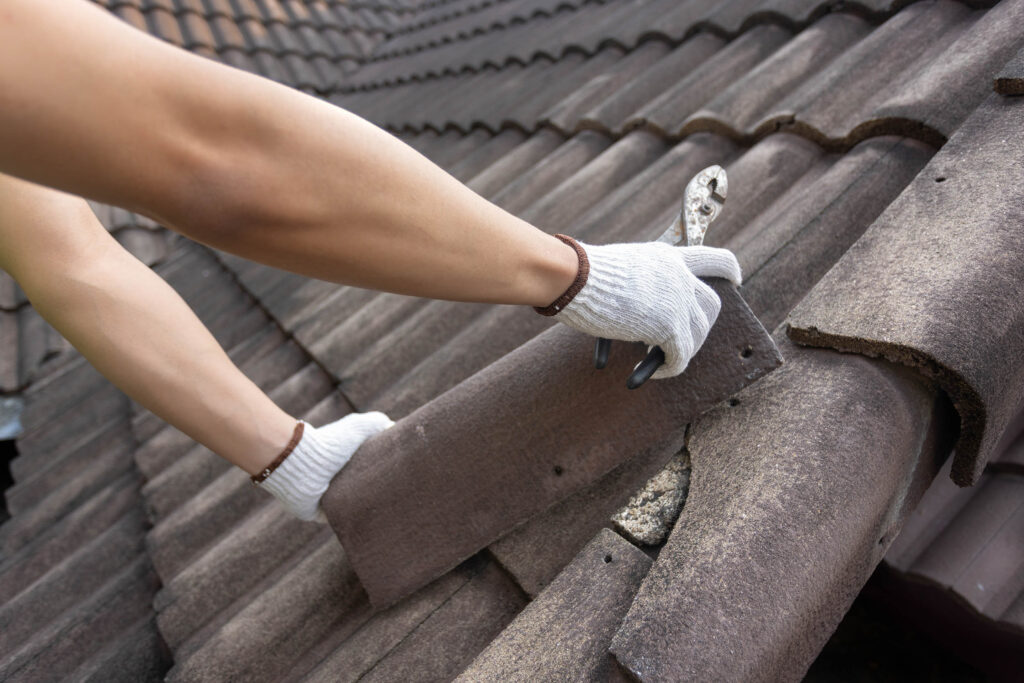
How Often Does a Tile Roof Need to Be Replaced?
When properly maintained, a tile roof can last for decades—sometimes 50 years or more. However, answering the question, “How often does a tile roof need to be replaced?” requires a closer look at the entire roofing system, not just the surface.
While the tiles themselves may remain intact for half a century or longer, underlying components such as the tile roof underlayment, flashing, and support structures often require attention far sooner. This distinction is essential for homeowners seeking to protect their investment and avoid costly structural damage.
For many homes, the first significant issue arises not with the roof tiles but with what lies beneath. Underlayment, flashing and other materials form the waterproof barrier that keeps your home safe from leaks and water intrusion. Even if the tile roofing above remains visually appealing, compromised underlayment can lead to rot, mold and structural deterioration.
Desert climates like Las Vegas pose added risks—UV exposure, thermal expansion and monsoon winds all accelerate material fatigue. That’s why understanding the roofing material lifespan in the context of environmental exposure is key.
This guide explores each component of the tile roof system in greater detail, helping you determine the true tile roof lifespan, when repairs or replacements are necessary, and how proactive maintenance can save thousands of dollars over time.
Typical Lifespan of Different Roof Tile Materials
Homeowners often ask, “How long does a tile roof last?” While these roofs can last for several decades, the exact answer depends greatly on the specific materials used. The term “tile roof” is used broadly, but different types of roof tiles offer dramatically different durability profiles.
Clay roof tiles are renowned for their elegance and durability, often lasting 50 to 100 years when properly maintained. Their natural resistance to fire and UV degradation makes them especially attractive in hot climates. However, their weight requires a reinforced roofing structure, and they can become brittle over time if subjected to impact.
Concrete tile options offer similar aesthetic appeal but are typically more budget friendly. With a lifespan of 40 to 75 years, they deliver long-term performance at a slightly lower upfront cost. Color fading and moisture absorption can be issues in humid or highly variable climates, but concrete roofs are still a common choice for those looking to balance cost and longevity.
Slate tiles, while less common in Las Vegas, provide exceptional longevity—often exceeding 100 years. These natural stone tiles are highly durable but extremely heavy, which increases installation and structural support costs. For this reason, slate is more frequently seen in historic or luxury properties.
Synthetic tile roof lifespan ranges from 30 to 50 years. These composite materials offer a lightweight, low-maintenance alternative to natural tiles. While they may lack the prestige of clay or slate, they are easier to install and often come with extended warranties.
Regardless of material, it is important to remember that the roofing material above is only part of the equation. Beneath every roof tile lies a system of underlayment, battens, and flashing that must also be evaluated and maintained.
The Real Limiting Factor – Underlayment Lifespan
The true answer to, “How often does a tile roof need to be replaced?” lies beneath the surface—in the underlayment. This waterproof membrane protects the structure of your home from leaks, and unlike the durable roof tiles above it, underlayment is far more vulnerable to environmental stress.
Most tile roofs use one of two types of underlayment: traditional felt or synthetic. Felt underlayment, while cost-effective, generally has a lifespan of only 20 to 30 years. In dry, hot climates like Las Vegas, this material can dry out or crack much faster due to continuous UV exposure and extreme thermal swings.
Synthetic underlayment, although more expensive, tends to last longer and provides better protection against moisture and wind. Still, even synthetic products rarely exceed a 40-year lifespan. That’s why most tile roof replacement projects are not triggered by visible tile damage, but by issues with the underlayment. Homeowners may assume their roof is sound because the tiles appear intact, when in fact the underlying materials are compromised.
Factors That Impact Tile Roof Longevity
Numerous external factors influence the tile roof lifespan and may accelerate the timeline for repairs or roof replacement. In the Las Vegas area, environmental stress plays a significant role in shortening the life of even the best-constructed tile roofing systems. Constant UV radiation, rapid temperature shifts between day and night, and high-wind monsoon storms put extra pressure on roof system components.
Poor installation practices or improper slope design can cause water to pool on the roof, increasing the risk of leaks and premature material degradation. Furthermore, homes shaded by trees may see lichen or mold growth on roof tiles, while overhanging branches contribute to abrasion and potential broken tile scenarios. Even foot traffic, whether from maintenance work or wildlife, can cause cracks or misalignments in roof tiles.
Recognizing early warning signs is vital. Homeowners should be vigilant for indications such as water stains on ceilings, musty odors in the attic, corroded flashing, and sagging or uneven rooflines. These symptoms often point to hidden problems with underlayment or structural supports.
That said, the importance of roof inspections can’t be understated. A timely roof inspection can catch these issues before they evolve into larger, costlier concerns.
How Often Should a Tile Roof Be Replaced?
With a clearer understanding of component lifespans, homeowners will then wonder when to replace a tile roof. The short answer is that while the surface tiles can last 50 years or longer, most tile roof systems in Las Vegas require significant work around the 25- to 30-year mark. This is due primarily to underlayment deterioration, not tile damage.
If your home is approaching 30 years of age and has never undergone a roof tile replacement or underlayment update, it’s likely due for an inspection. Depending on the condition of the materials and the presence of any damage or leaks, a contractor may recommend a partial repair or a complete roof replacement.
For best results, homeowners should consider scheduling a roof inspection every three to five years—or more frequently following intense storms or signs of damage. Ariat Roofing provides professional assessments to help homeowners understand their specific needs, offering clear guidance. Learn more about our tile roof repair and installation services.
Cost Considerations for Tile Roof Replacement
The cost of tile roof replacement varies widely depending on the size of the roof, material choices, labor rates, and whether only the underlayment or the entire system needs to be replaced.
In Las Vegas, a full roof replacement for tile systems typically ranges between $10,000 and $15,000. Projects that only require underlayment replacement are often less costly, though they still represent a significant investment.
Replacing underlayment alone may cost between $65 to $80 per square (100 square feet) of roofing, not including labor. Labor costs can vary but typically fall between $300 to $600 per day depending on roof complexity, pitch, and access. Homeowners who choose synthetic underlayment or have complex roof structures should expect higher prices due to increased installation difficulty.
Understanding these costs is crucial for planning your tile roof replacement timeline and budgeting for long-term maintenance. Ariat Roofing offers free consultations to help homeowners determine accurate, project-specific pricing.
When to Repair vs. Replace a Tile Roof
Choosing between roof repair and full roof replacement can be challenging. Minor issues such as a broken tile, cracked flashing, or a small leak may be resolved with spot repairs. In contrast, widespread leaks, sagging roof lines, or severe underlayment deterioration typically indicate the need for replacement.
Neglecting small repairs can lead to expensive consequences. Water infiltration often causes hidden damage to insulation, rafters, and ceilings. Over time, this may necessitate a full tear-off and rebuild—a much more costly process than early intervention.
Ariat Roofing’s inspection services can determine whether your home requires basic roof maintenance, targeted tile roof repair, or a full system overhaul. Our team offers honest, detailed evaluations tailored to your needs and budget.
Maintenance Tips to Extend Tile Roof Lifespan
Routine care can dramatically improve the lifespan of concrete tile roof, lifespan of clay tile roof, or any other system. Homeowners should treat their roof as a critical part of home maintenance, just like HVAC or plumbing systems.
At a minimum, schedule a roof inspection every three to five years. If you experience a major storm or see signs of wear, arrange one sooner. Keep gutters and roof valleys free of leaves and debris, which can trap moisture and accelerate wear. Avoid walking on tiles yourself, as foot traffic often leads to accidental cracks or displacement.
Ariat Roofing also offers seasonal service plans that include proactive maintenance and early problem detection. Following roof longevity tips helps delay major repairs and ensures optimal performance; browse our full guide of roof maintenance tips to learn more.
Know When It’s Time to Replace Your Tile Roof
Understanding your roof’s health is essential for long-term peace of mind. Though surface tiles may appear solid, deterioration beneath the surface often determines whether tile roof replacement is required. Don’t rely solely on visual inspections; instead, trust experienced professionals who can evaluate the entire system.
Ariat Roofing is here to help you assess your roofing needs. Whether you’re looking for roof tile replacement, advice on how often to replace roof underlayment, or need guidance on the tile roof replacement timeline, our team provides honest assessments backed by years of experience. Schedule a roof inspection today for reliable guidance.