Signs of a Roof Leak
A roof leak can start as a small, almost unnoticeable problem and eventually lead to significant damage if it is not addressed. While some leaks are obvious, many develop slowly and show only subtle warning signs at first.
Recognizing the early signs of a roof leak can help protect your roofing materials and other parts of your home from moisture damage. The sooner a problem is identified, the easier it may be to limit the extent of the repair.
What Are the Most Common Signs of a Leaky Roof?
1. Water Stains on Ceilings or Walls
Yellow, brown, or otherwise discolored patches on ceilings and walls are among the most recognizable signs of a roof leak. These stains may appear as small rings at first and gradually become larger or darker.
Because water can travel through the roof structure before reaching an interior surface, the source of the leak may be several feet away from the visible stain. Stains that appear, grow, or darken after a storm are a strong indication that moisture is entering through the roofing system.
2. Dripping Water or Moisture in the Attic
Active dripping inside the attic is one of the clearest indications of a roof leak. Check for damp or compressed insulation, wet rafters, darkened wood, or moisture around vents, pipes, and other roof penetrations. Rusted nails, fasteners, or other metal components in the attic can also indicate ongoing moisture exposure and should be investigated.
When it is safe to do so, checking the attic after heavy rainfall can make leaks easier to identify. For difficult-to-locate leaks, a controlled hose test may also help pinpoint the source by applying water to one small section of the roof at a time while another person watches for moisture inside.
3. Missing, Cracked, or Damaged Roofing Materials
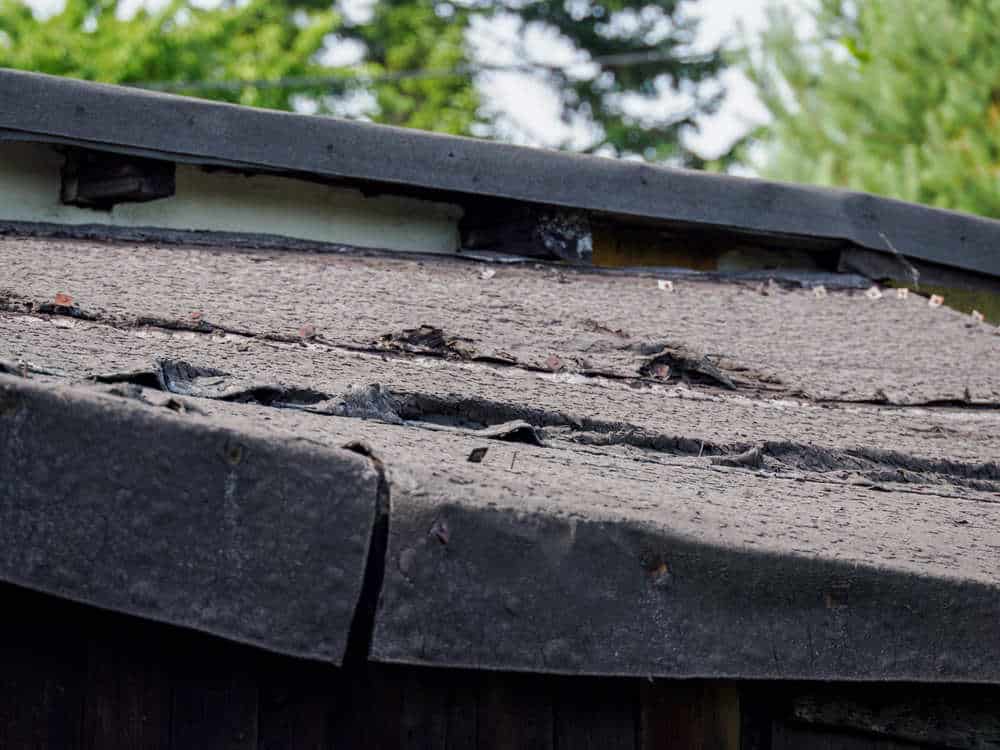
Cracked or displaced tiles, missing shingles, lifted shingles, and other damaged roofing materials can leave the underlying roof system vulnerable to water intrusion. Holes left behind after satellite dishes are removed can cause long-term roof damage if they are not properly sealed.
4. Damaged Flashing or Roof Penetrations
Flashing helps direct water away from some of the most vulnerable parts of a roofing system. It is commonly installed around chimneys, skylights, vents, walls, and other areas where the roof surface changes or is penetrated. Loose, cracked, corroded, or deteriorated flashing can allow water underneath roofing materials. Sealants around these areas may also dry out or fail over time.
5. Peeling Paint, Bubbling Drywall, or Sagging Ceilings
Hidden moisture can affect interior finishes long before you see an active drip. Peeling or bubbling paint, soft drywall, warped surfaces, and sagging ceiling materials may indicate that water has been accumulating behind the surface. Drywall that bulges or swells is a particularly urgent version of this sign, because it means moisture has already been absorbed into the material.
These conditions can indicate significant moisture accumulation and should be addressed quickly. In addition to repairing interior damage, the source of the moisture needs to be identified and corrected.
6. Mold, Mildew, or Musty Odors
Persistent moisture can create conditions that encourage mold and mildew growth. A musty smell in an attic or upper floor of the home may be an early sign that moisture is present even when no visible water can be found.
Visible mold or mildew on walls, ceilings, rafters, or insulation may also point to an ongoing moisture problem. Simply cleaning the affected surface does not solve the underlying issue if water is continuing to enter through the roof. The source of the moisture should be identified and repaired to help prevent the problem from returning.
What Causes Roof Leaks?
Roof leaks can develop for many different reasons, and sometimes more than one problem is involved. Common causes include:
- Aging roofing materials
- Cracked or displaced tiles
- Missing or damaged shingles
- Deteriorated underlayment
- Damaged flashing
- Failed sealants around roof penetrations
- Holes from old satellite dishes or rooftop equipment
- Clogged or poorly draining roof areas
- Wind and storm damage
- Heavy monsoon rainfall that overwhelms drainage and backs water up under roofing materials
- Ice dams that cause water to back up under shingles
- Improper previous repairs or installation
Las Vegas and Southern Nevada roofs also face environmental conditions that can accelerate normal wear. Prolonged UV exposure and extreme heat can cause roofing materials, sealants, and underlayment to deteriorate over time. High winds may loosen tiles or shingles, while occasional intense storms can expose weaknesses that were not previously noticeable.
What Should You Do If You Suspect a Roof Leak?
If you notice signs of a roof leak, act promptly rather than waiting for the next storm to see whether the problem gets worse.
If water is entering the home, safely move furniture, electronics, and other belongings away from the affected area. Place buckets beneath active drips to contain water and limit interior damage. Avoid standing underneath ceilings that appear swollen, bulging, or unstable.
Do not climb onto a wet or damaged roof without proper training and safety equipment. If conditions are dry and the roof can be accessed safely, a properly secured tarp can provide temporary protection until repairs are completed. Small, clearly identifiable gaps may sometimes be addressed with roofing sealant, but sealant should only be applied when the source of the problem is obvious and the repair is appropriate.
A professional roof inspection remains the safest and most effective way to determine where water is entering and how extensive the damage may be. Addressing a small problem early can prevent moisture from spreading.
Can Regular Roof Maintenance Help Prevent Leaks?
Not every roof leak can be prevented, but routine roof maintenance can help identify vulnerabilities before they lead to water intrusion.
Maintenance may include:
- Removing debris from valleys and drainage areas
- Inspecting flashing and roof penetrations
- Replacing cracked tiles or damaged shingles
- Checking sealants
- Watching for deterioration caused by heat and UV exposure
- Inspecting old satellite dish mounting points and other abandoned penetrations
Older roofing systems often require closer attention because materials naturally become more vulnerable as they age. It is also a good idea to have your roof checked following significant wind or storm activity, especially if debris has landed on the surface or roofing materials appear displaced.
Preventative maintenance can help extend the usable life of your roof while reducing the likelihood of unexpected leaks.
Think Your Roof May Be Leaking? Contact Ariat Roofing
Water stains, bulging drywall, damaged roofing materials, attic moisture, mold, and deteriorated flashing are all signs that your roof may need professional attention. Even small leaks can cause larger problems when water continues to enter the home over time.
At Ariat Roofing, we help Southern Nevada homeowners identify roofing problems and determine the most appropriate next steps. Our team of professional roofers can safely access and inspect your roof and provide recommendations for roof repair, maintenance, or replacement based on the condition of your roofing system.
If you think your roof may be leaking, do not wait for the damage to spread. Contact Ariat Roofing today to schedule an estimate and get the professional roofing service you need to protect your home.